


This past week, leaders came together at the World Economic Forum in Davos, Switzerland, and focused on three big things: the current state of American politics, the promise and peril of artificial intelligence and the urgent demand for more power generation to fuel it all.
All of these things matter. But the environment, our natural resources and biodiversity were mostly absent from the discussions — except at Cox Enterprises.
Several years ago, I began attending Davos because it was regarded as a leading global forum for environmental thinking.
My hope was that Cox Enterprises could use the gathering to identify and support “cleantech” opportunities, profitable business models that also make the world cleaner and help address the environmental challenges we have created, challenges that our children and grandchildren will inherit.
I firmly believe that the crisis of our generation is the environment. And we should be asking more of our leaders — elected officials, CEOs like me and ourselves — because each one of us can do more to fix it, here in Georgia and across the globe.
That belief is what first drew me to Davos. Unfortunately, over time, environmental stewardship has slipped from the center of the conversation.
Americans see climate change and AI as real threats

Credit: Casey Sykes
Credit: Casey Sykes
This shift is striking given public sentiment.
A recent global survey by Edelman found that 93% of people believe climate change poses a serious and imminent effect to the planet. At the same time, a recent Pew Research poll reported that 57% of Americans believe AI poses a “serious threat to society.”
Yet if you walked around the World Economic Forum, you would have seen most focus on building more AI, generating more power to do so and making more money while doing it. But at the same time that we acknowledge AI, we also need to acknowledge the importance of focusing on planetary challenges as well.
I was proud of how Cox handled that balance. Axios, a Cox Enterprises company, hosted 50 panels and interviews during the week at Axios House, one of the most attended and sought-after venues in the Davos ecosystem. The lines to get in were out the door and down the block every day.
But the size of the crowd and the exceptionalism of the journalism weren’t the only thing that differentiated Axios. It was also that they dedicated Wednesday to the topic of conservation.
The CEOs of the Conservation Fund (Larry Selzer) and the Nature Conservancy (Jennifer Morris) discussed the importance of wealthy individuals and corporations putting private capital to work buying and protecting sensitive places. Experts openly discussed the environmental challenges created by AI and how to address them. I was interviewed about cleantech and the broader impact our family enterprise has been able to make.
Cox forging a path toward a cleaner future
This is an important sector for us. In addition to Cox Communications and Cox Automotive, which together employ nearly 50,000 people and generate more than $22 billion in revenues, we have invested over $2 billion building and buying cleantech businesses of the future. Two examples are Cox Farms and Nexus Circular.
We’ve built our Cox Farms over the last decade, and we’re now the largest owner and operator of advanced greenhouses in North America. We grow vine crops like strawberries and cucumbers and leafy greens like lettuce and arugula. We do this because much of today’s outdoor agriculture is concentrated in water-stressed regions and dependent on heavy pesticide and fertilizer use. This is increasingly unsustainable.
Our greenhouses use roughly 90% less water than traditional means and almost no pesticides or fertilizer, reducing downstream pollution while producing food closer to consumers and reducing transportation impacts.
Nexus Circular is now one of the world’s largest recyclers of single-use plastics. We invested in and scaled this business, which today recycles more than 1.6 million pounds of plastic per month. With a new facility in McDonough coming online, that capacity will significantly increase in the near future.
We have built these businesses because we believe doing right and doing well can — and should — go together.
We also believe that we’re witnessing the largest change in habitat and wildlife in human history. More than 70% of the world’s wild animals have vanished since 1970 due to loss of habitat.
This is why, in the last year, Cox Enterprises and the James M. Cox Foundation have partnered with nonprofits and other donors in Atlanta and beyond to help protect some of the most important places on Earth.
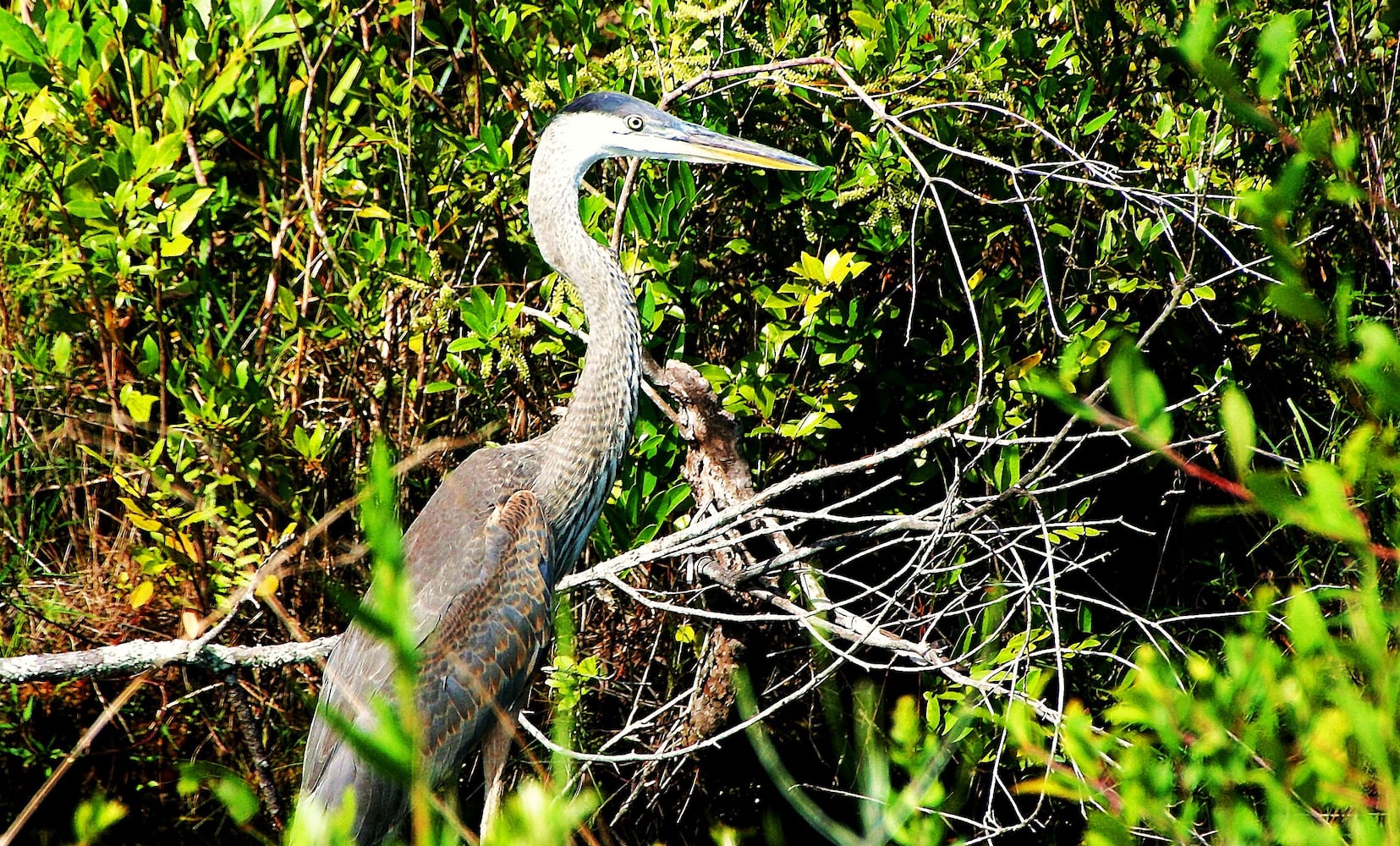
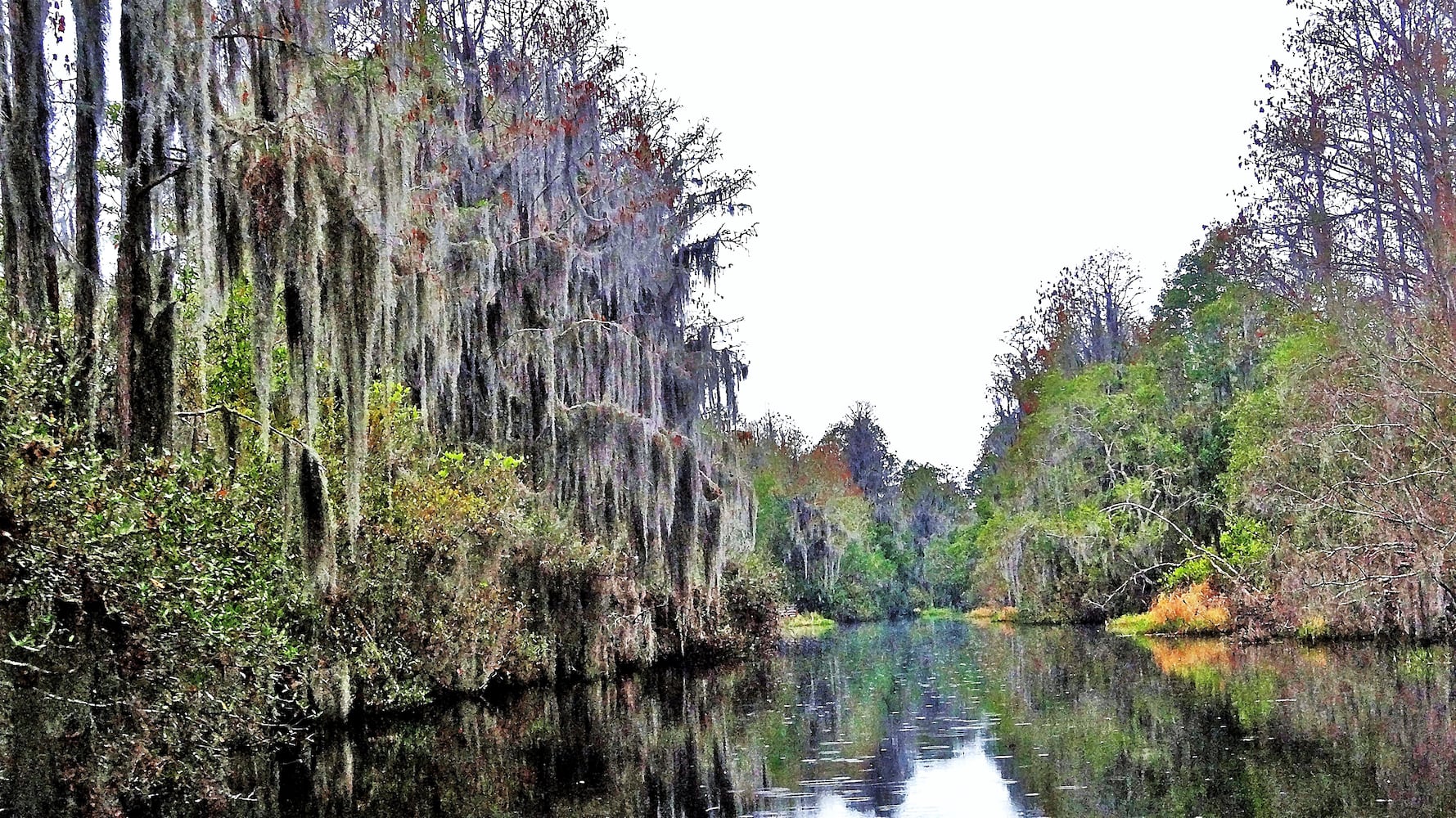
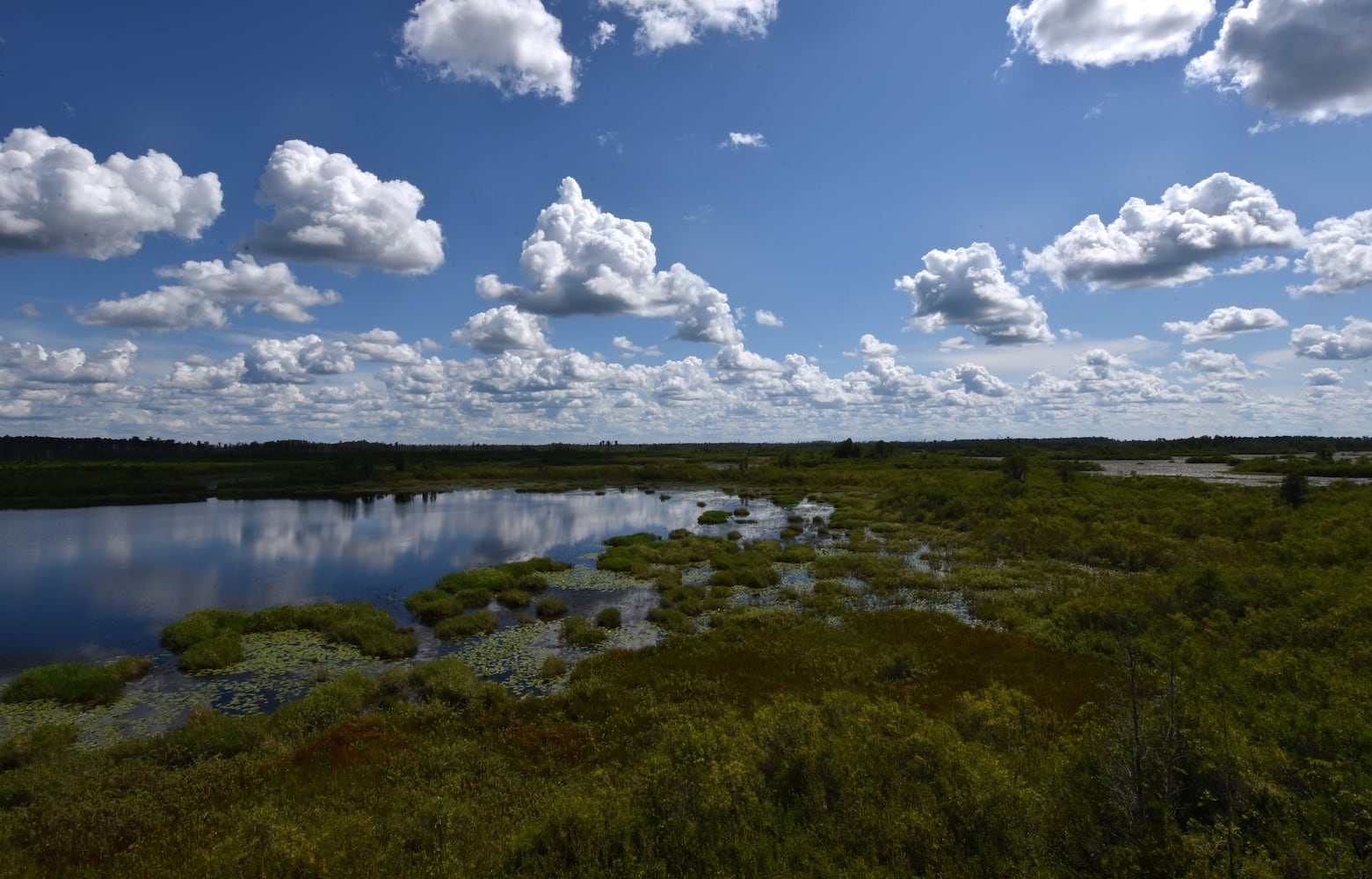
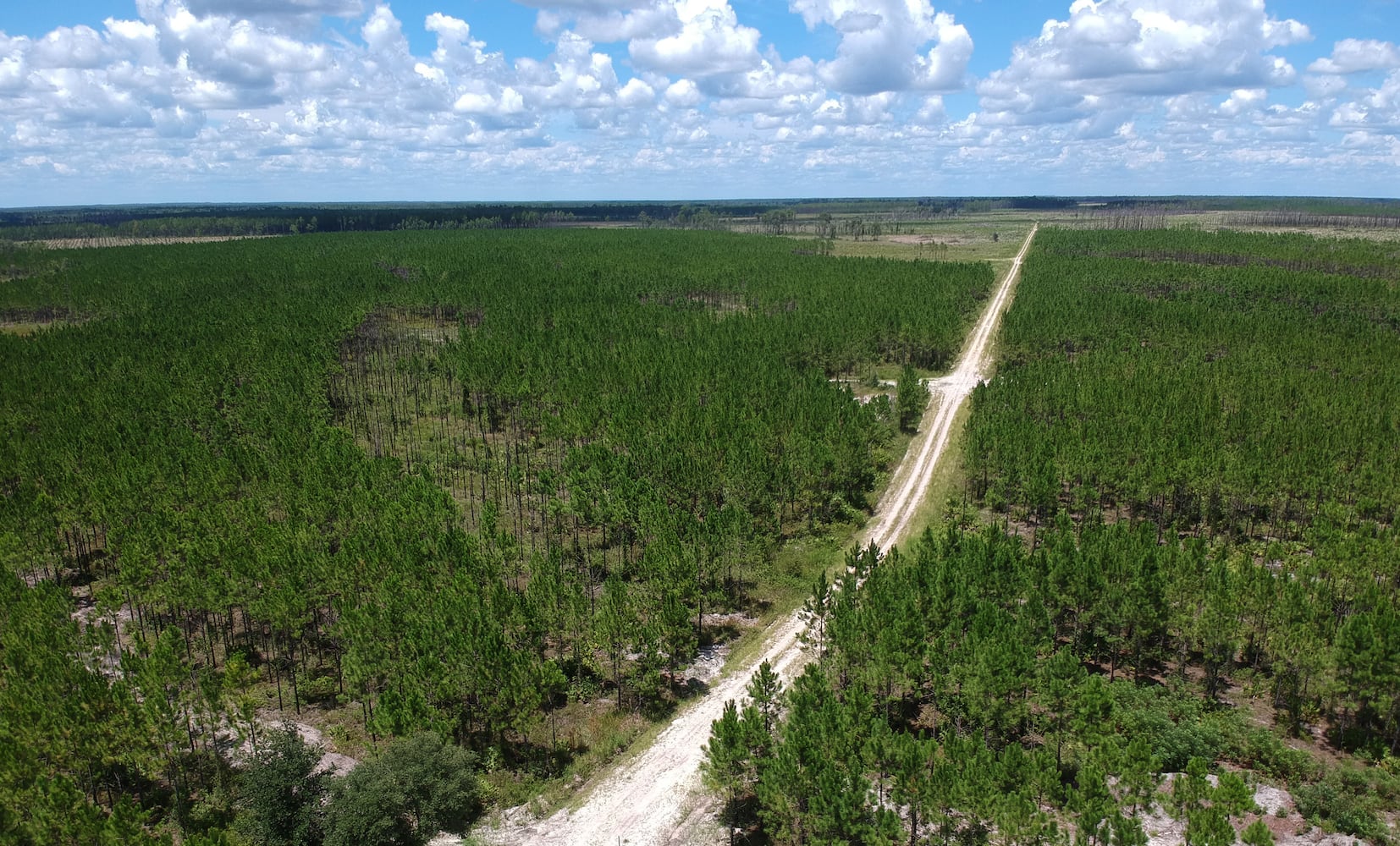
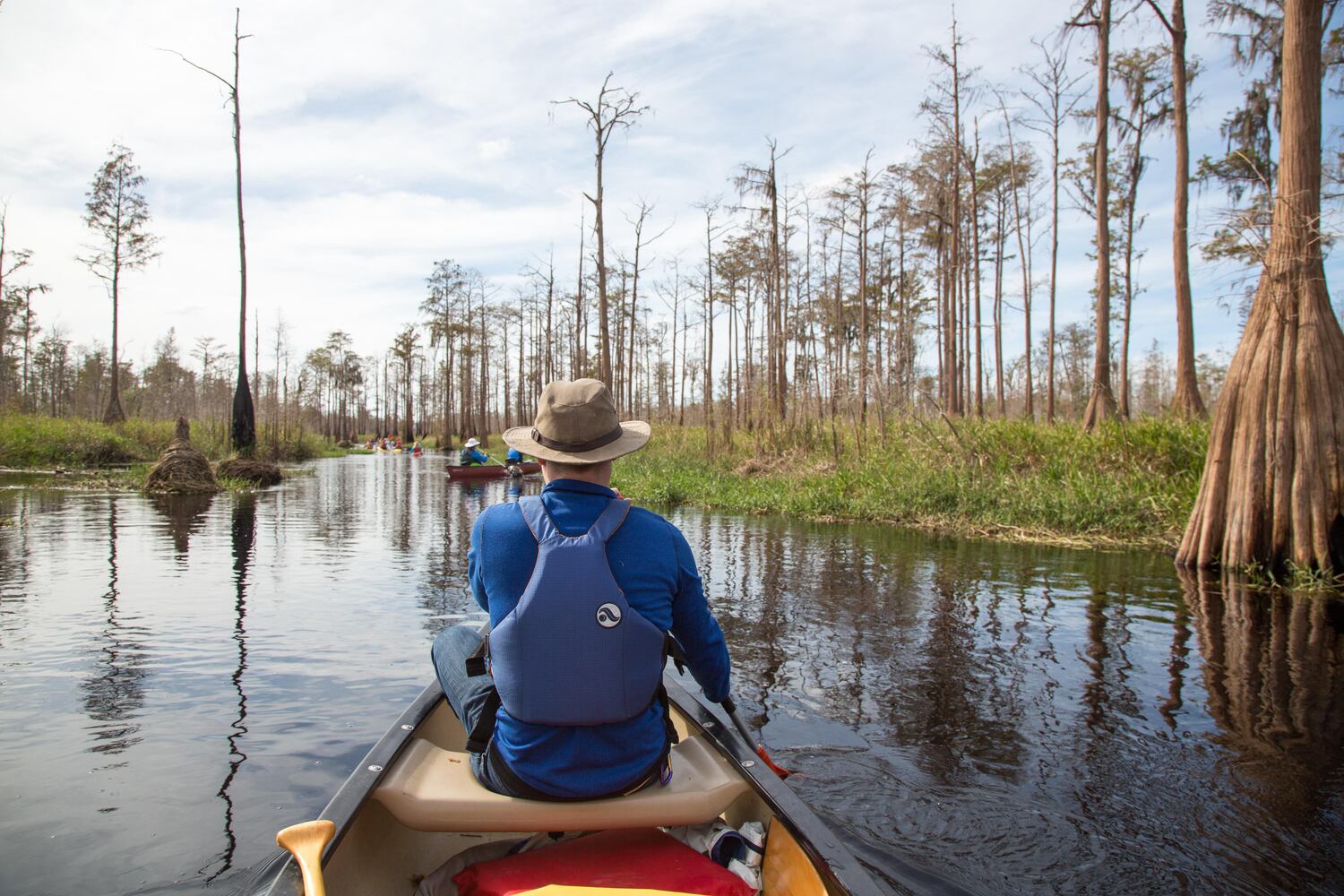
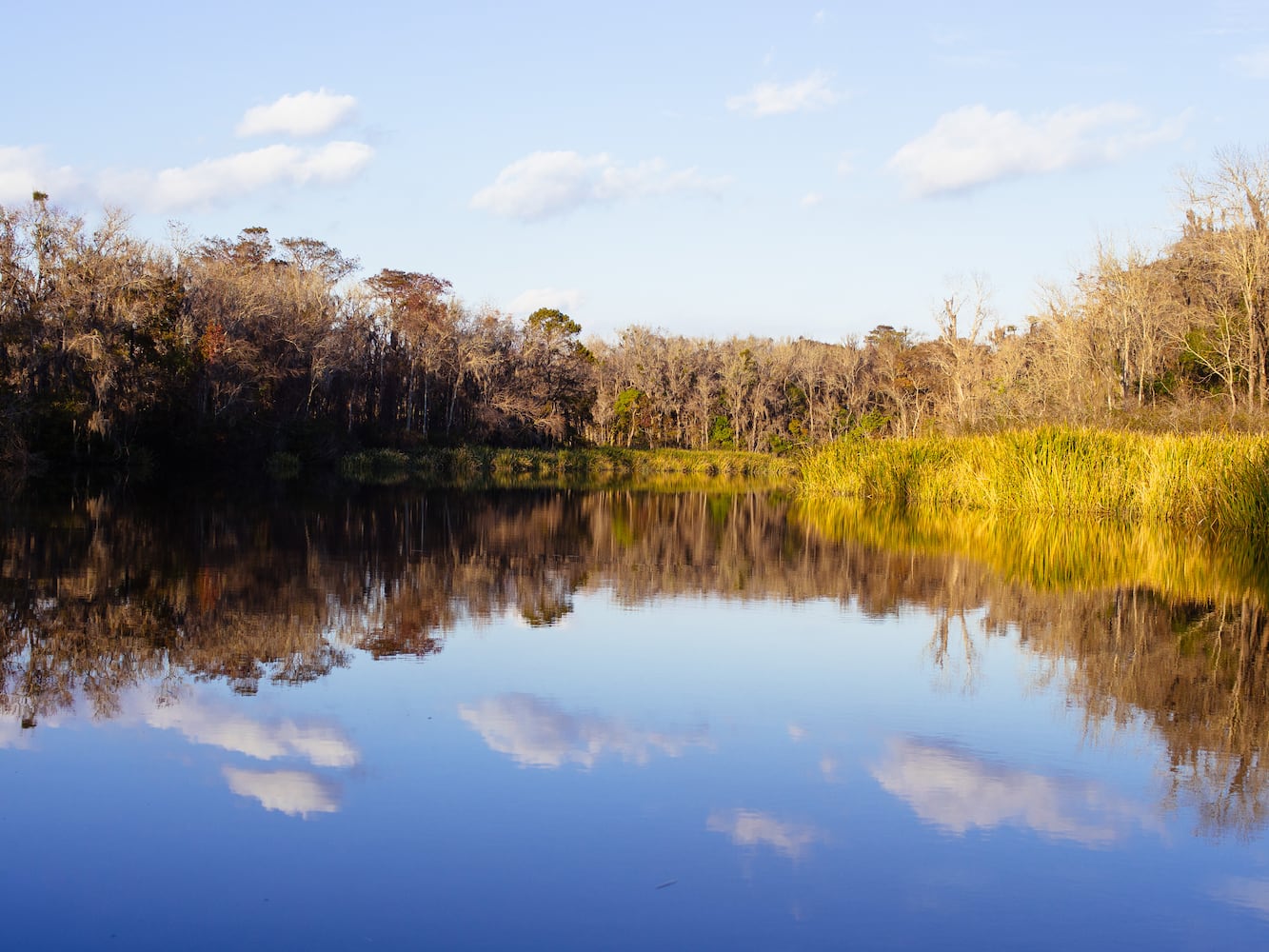
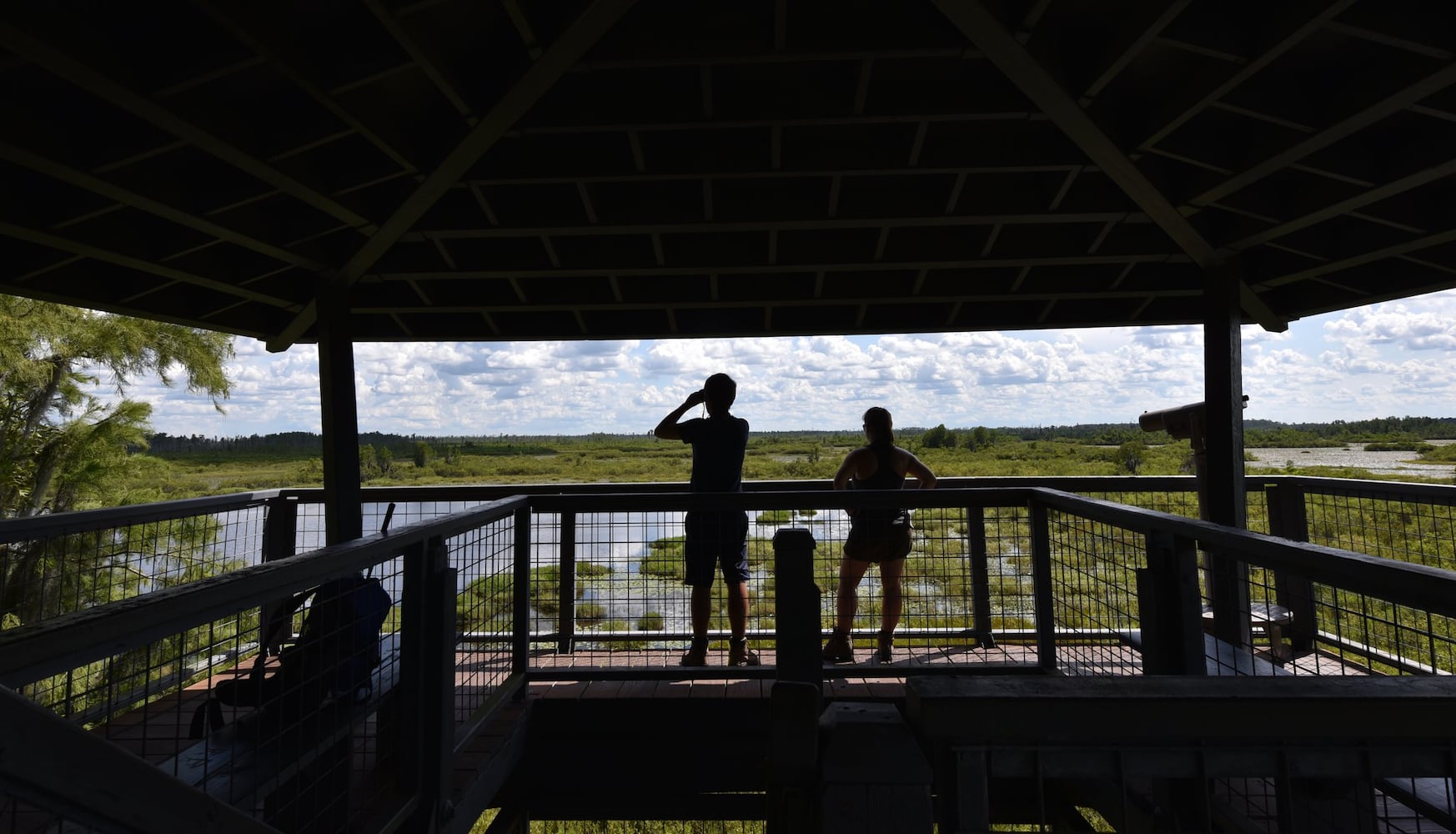
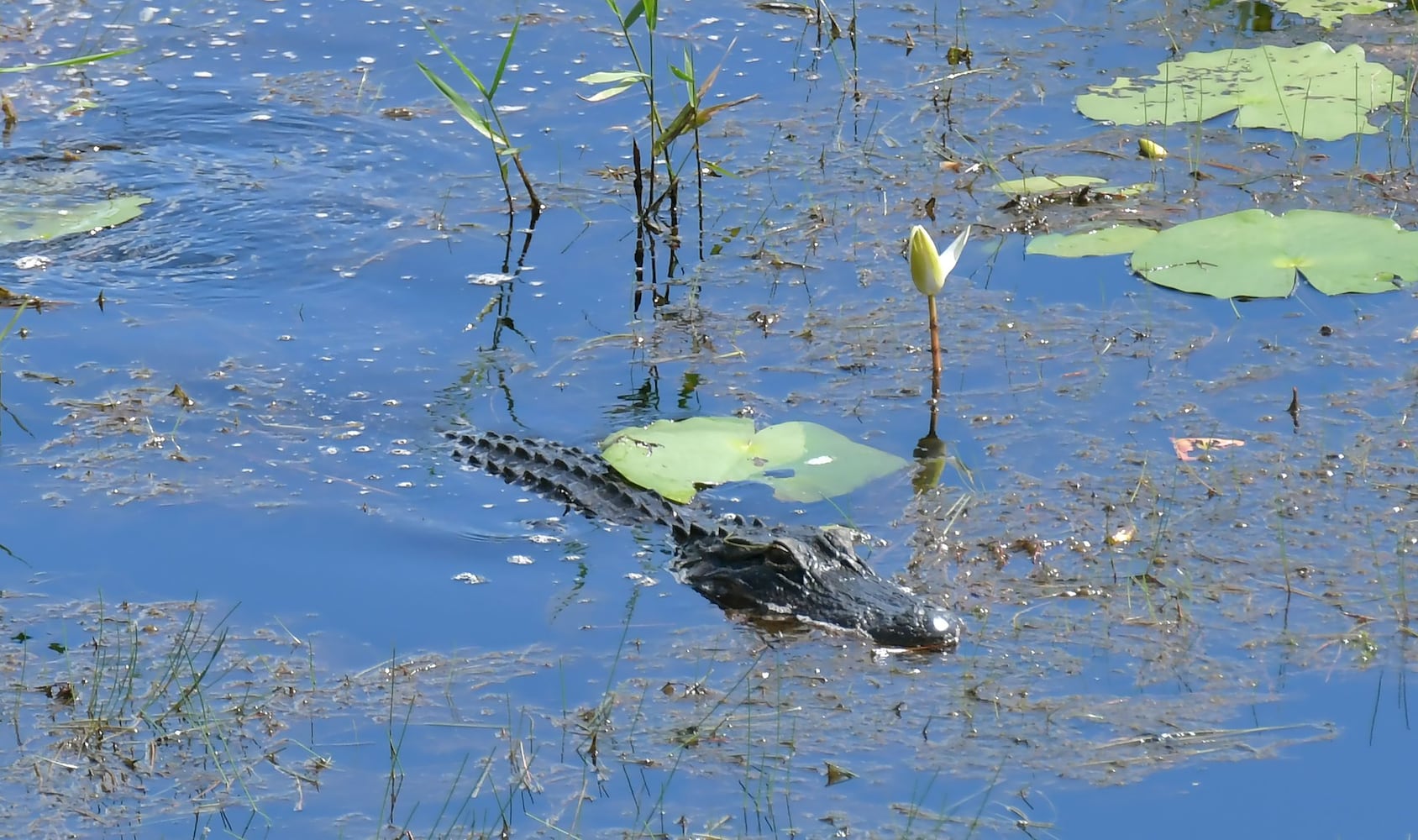
We’ve protected southeast Georgia’s Okefenokee Swamp from a large-scale mining project; purchased four dams, which we intend to remove from Maine’s Kennebec River so salmon can run there again; conserved more than 300,000 acres of one of the oldest forests on Earth near Cochamó, Chile; and dedicated $100 million to preserving the Prairie Pothole Region, which stretches across five U.S. states and Canada and is a critical nesting habitat for migratory birds. All of these were deals in which we were either the largest donor or the last step needed to make the preservation happen.
I share this not to boast, but because it feels increasingly rare, and increasingly important, in a world that has shifted its attention elsewhere.

Credit: HYOSUB SHIN / AJC
Credit: HYOSUB SHIN / AJC
Environmental leadership is good business
When I was growing up, leaders like Atlanta’s Ted Turner, Richard Branson, Patagonia founder Yvon Chouinard (one of my favorite humans) and cable industry pioneer John Malone were visible inspirations in this space. They showed that business success and environmental leadership did not have to be in conflict.
Today, it can be harder to identify the next generation of conservation leaders, but they’re out there. My uncle, Jim Kennedy, continues to encourage and inspire me by example. He has personally done more for conservation than anyone I know.
Lucas Walton has made significant commitments to ocean conservation and high-impact environmental finance. Paul Tudor Jones founded the Everglades Foundation, now among the most consequential conservation organizations in the country, alongside his work with the National Fish and Wildlife Foundation and large-scale conservation efforts in Africa. These individuals are proving what sustained commitment can achieve.
Let’s ask more from our leaders — and ourselves. Vote with a mind toward people who care about the environment. Ask at work what your company is doing to support sustainability and then volunteer to help it do more.
Our planet is finite, and it is in peril. We can all do something about it. Please do — whether it’s buying healthier food, recycling more, turning off the lights, cleaning up a river or helping protect an important place near you. Your grandkids will appreciate you for it.
Alex Taylor is chairman and chief executive officer of Cox Enterprises, the parent company of the AJC.
Editor’s note
This column has been updated throughout.
About the Author
Keep Reading

The Latest

Featured
