


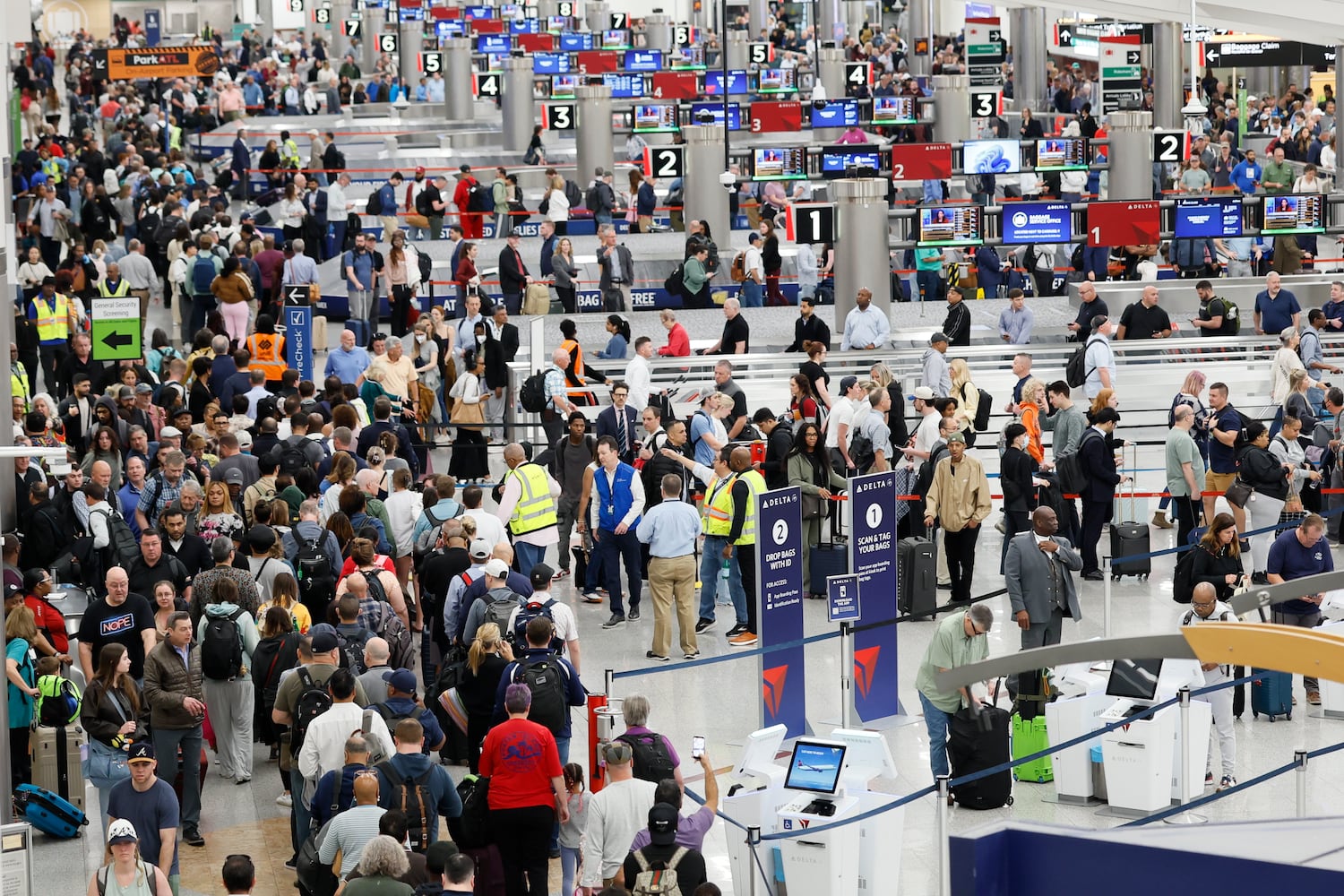
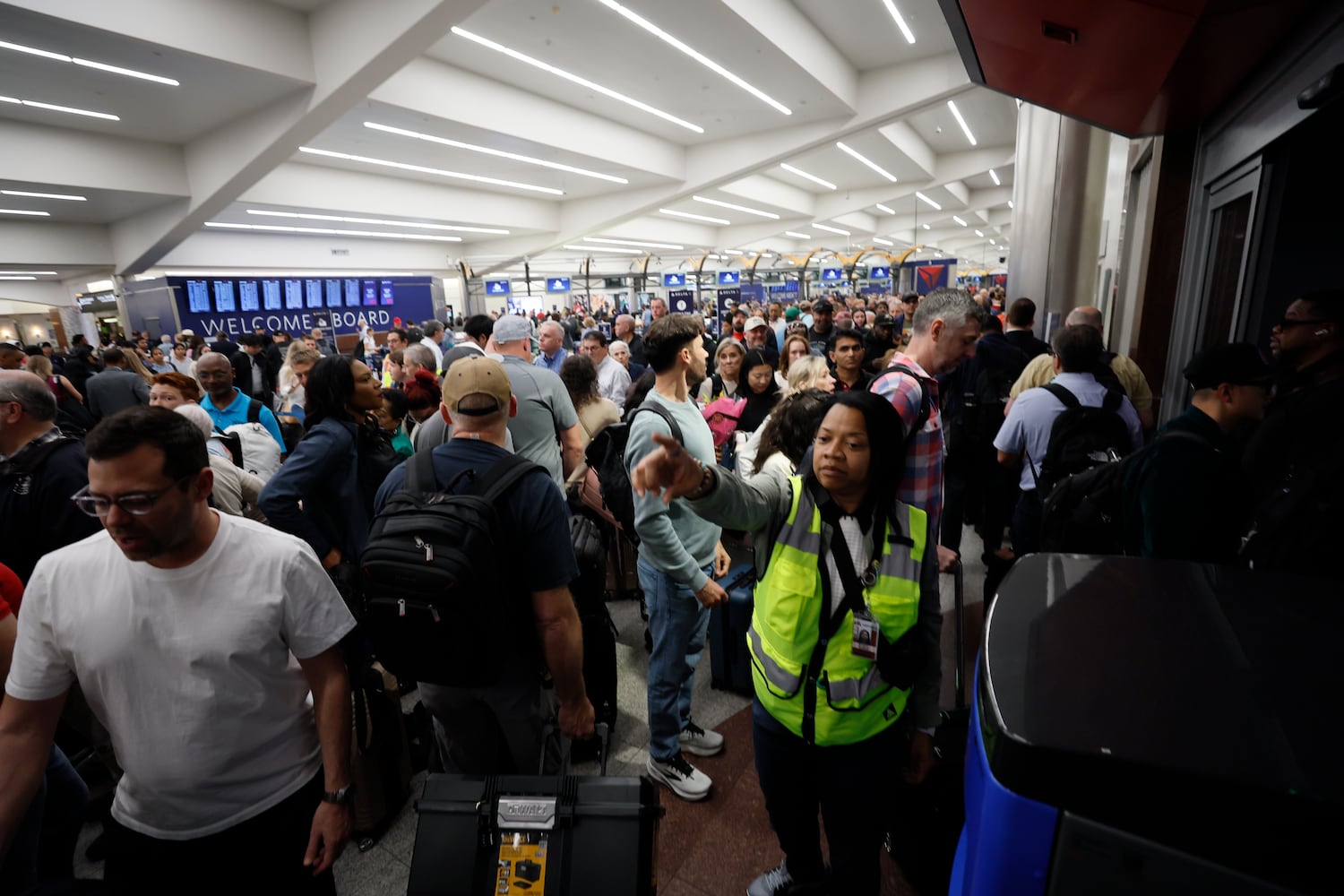
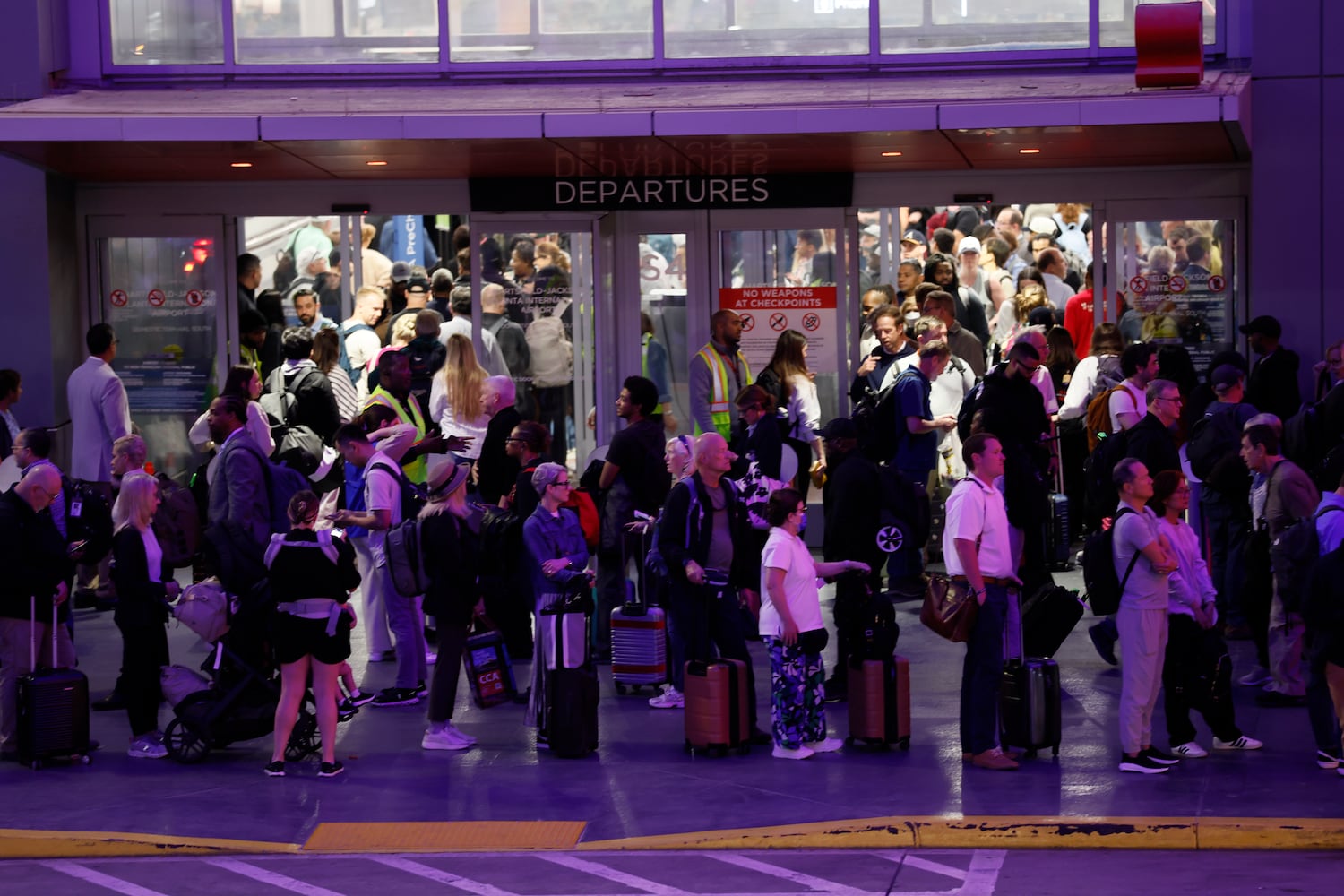
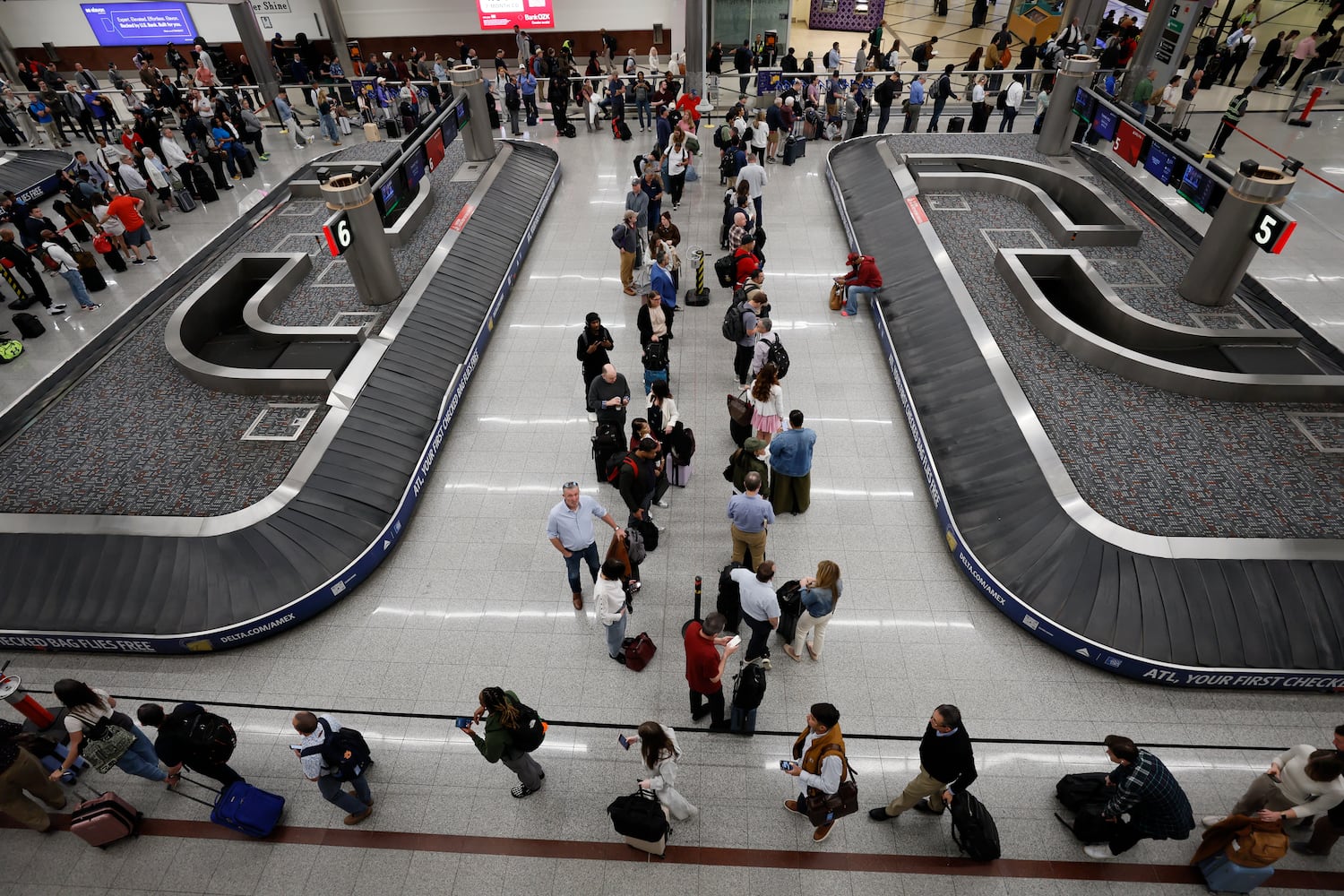
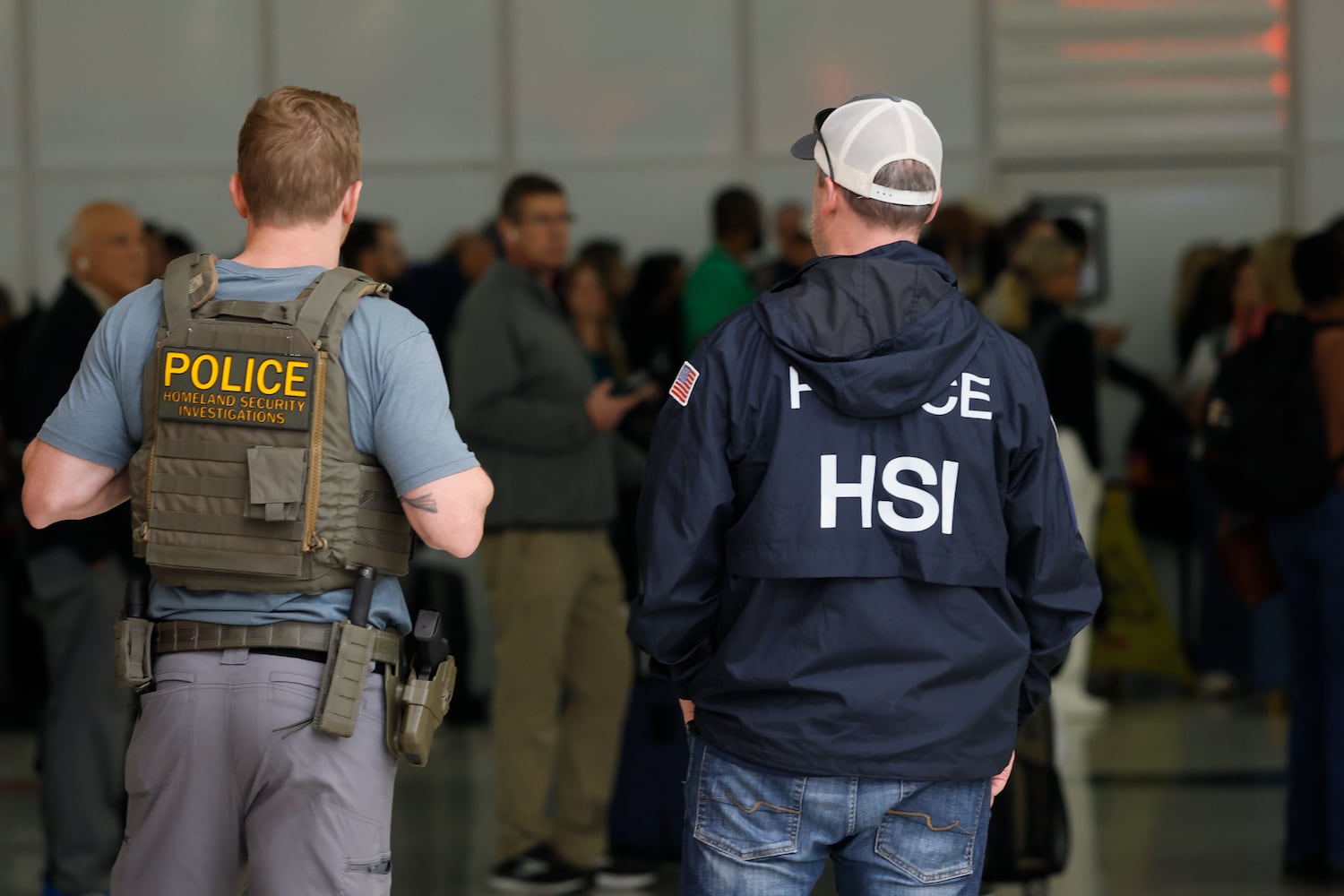
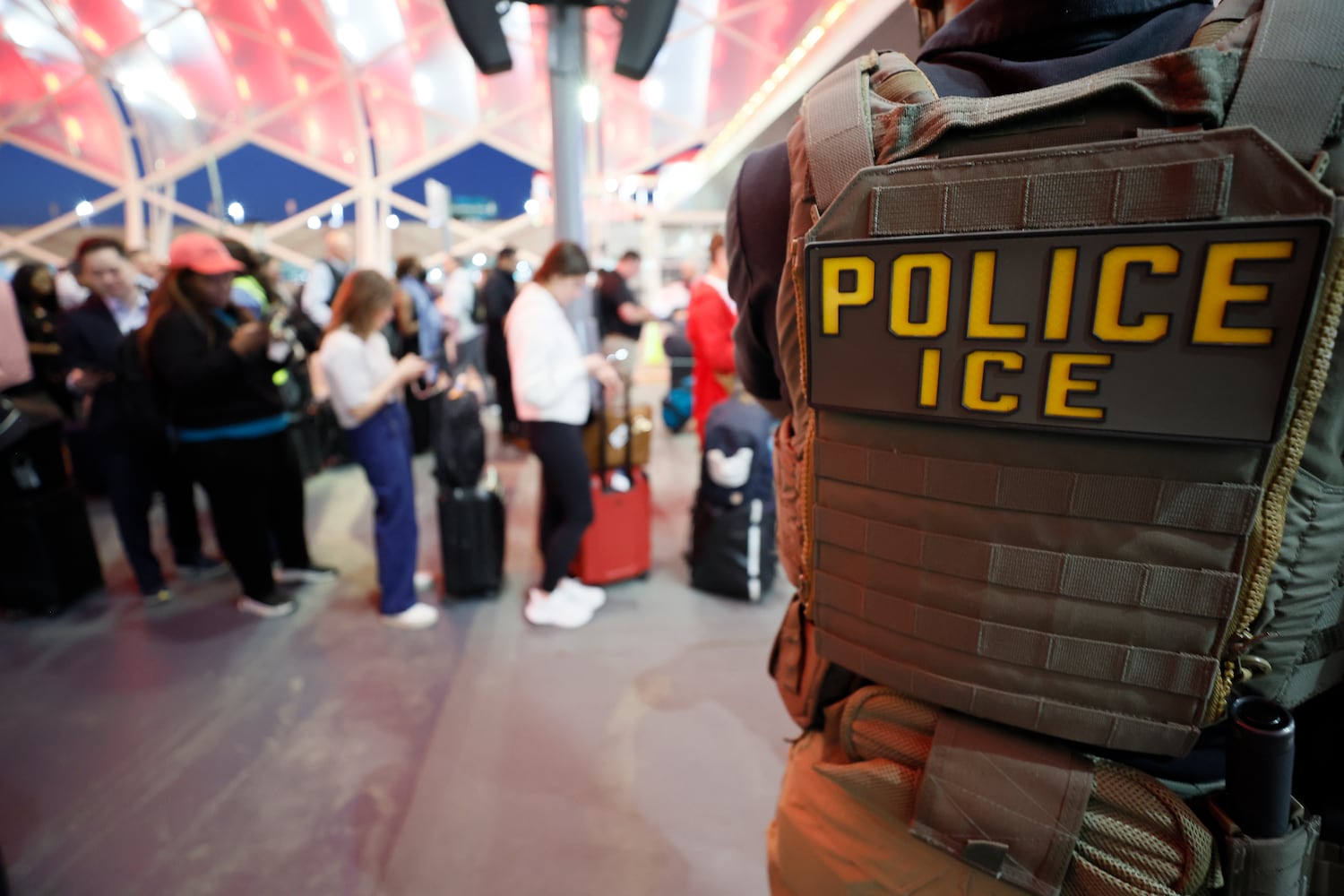
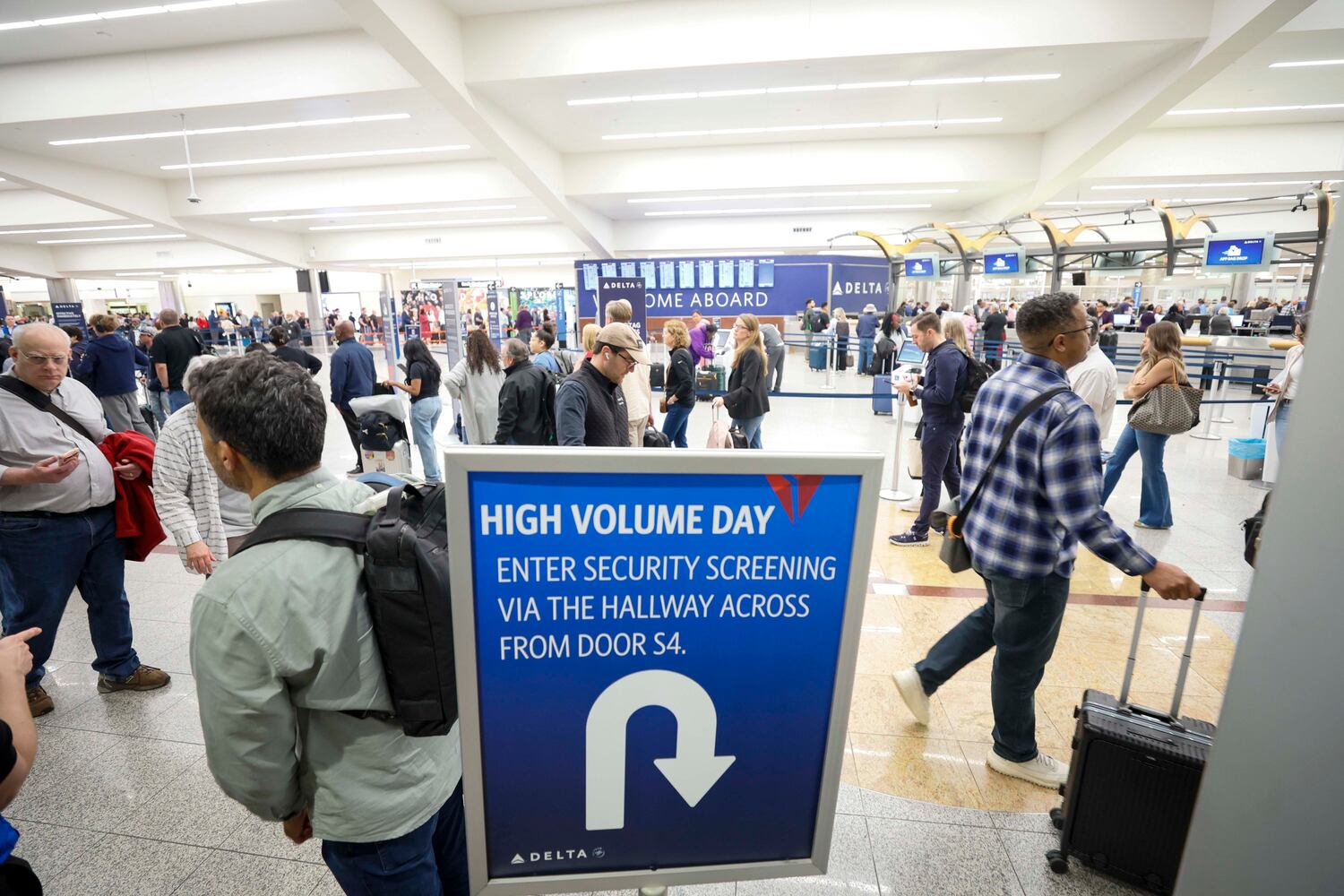
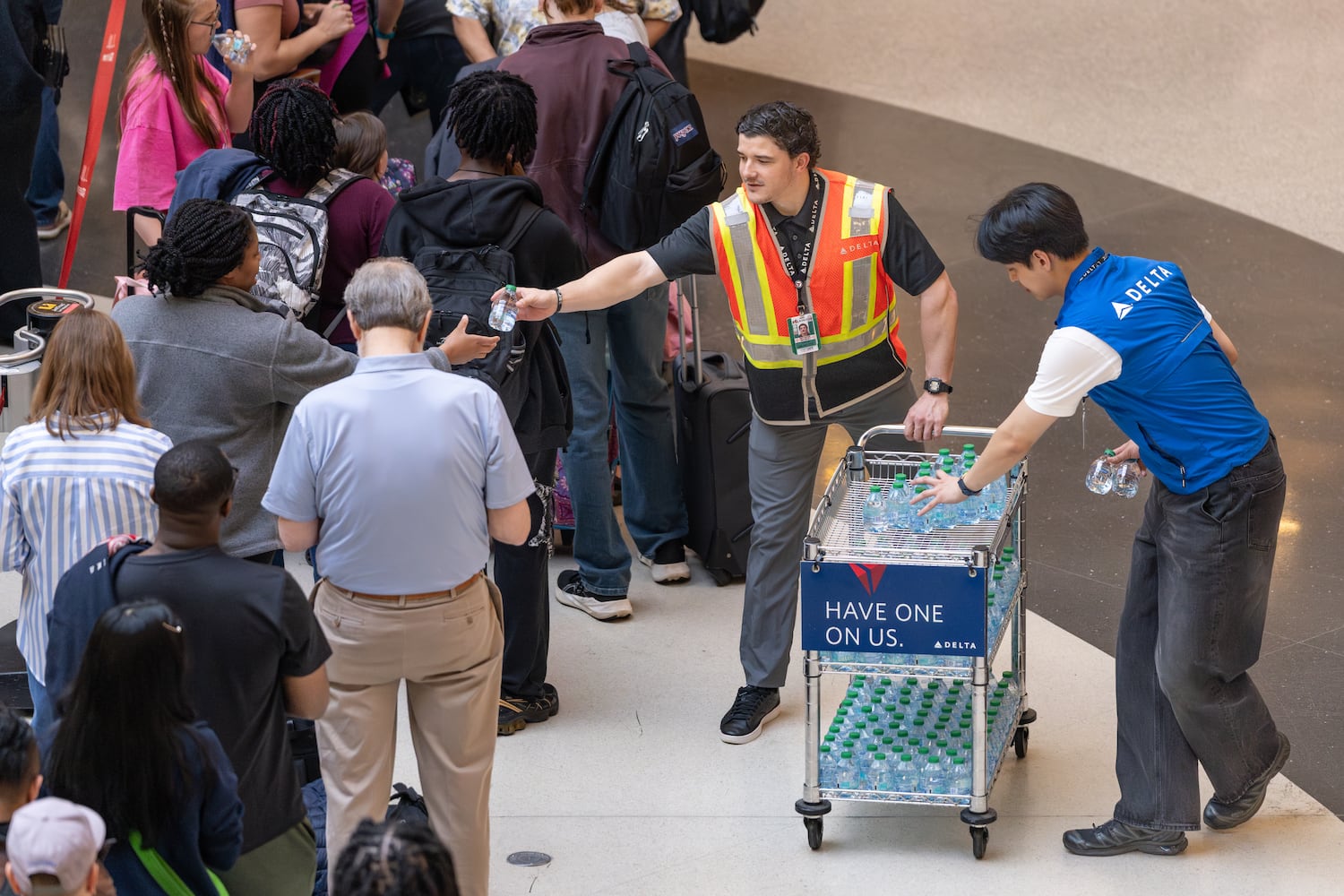
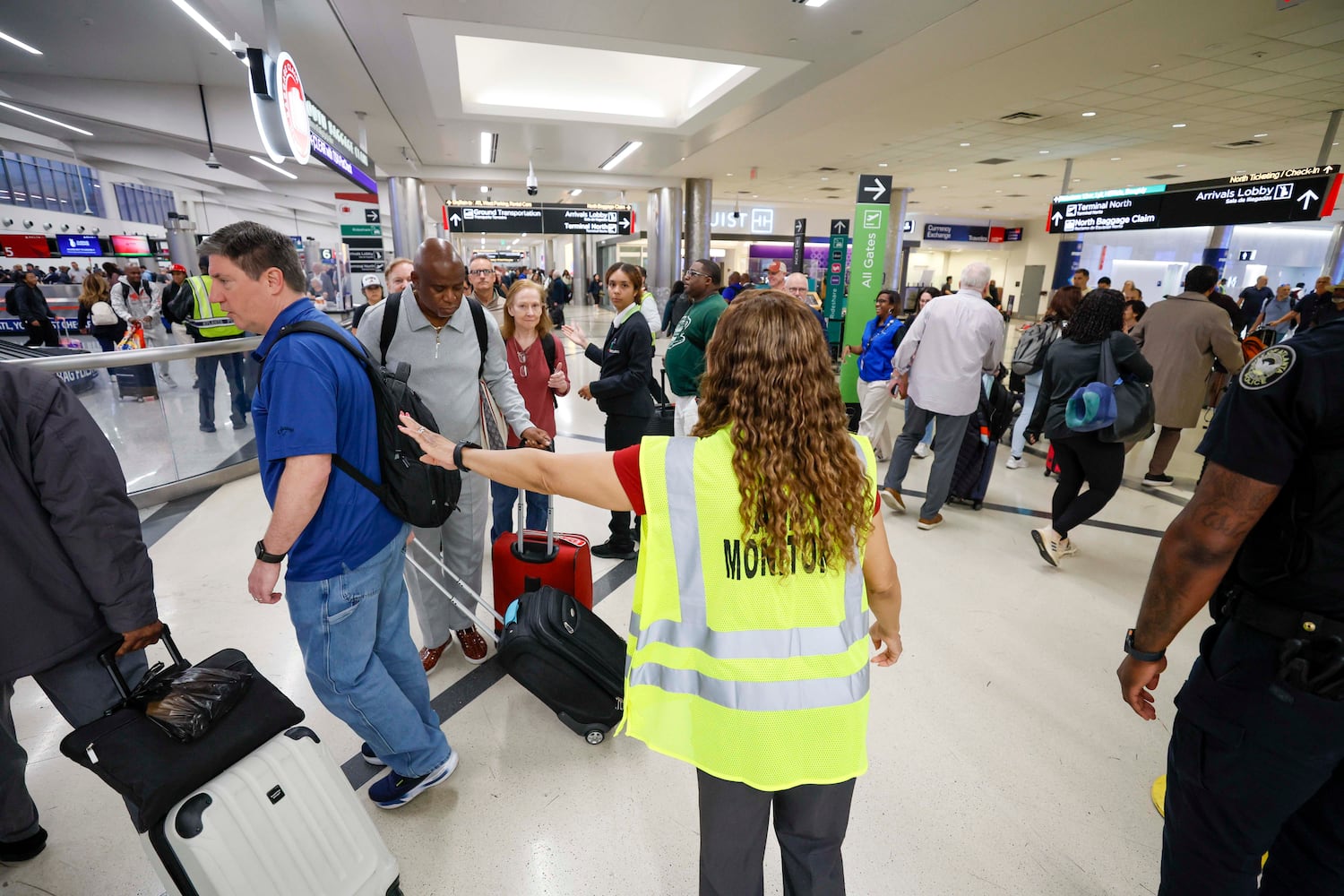
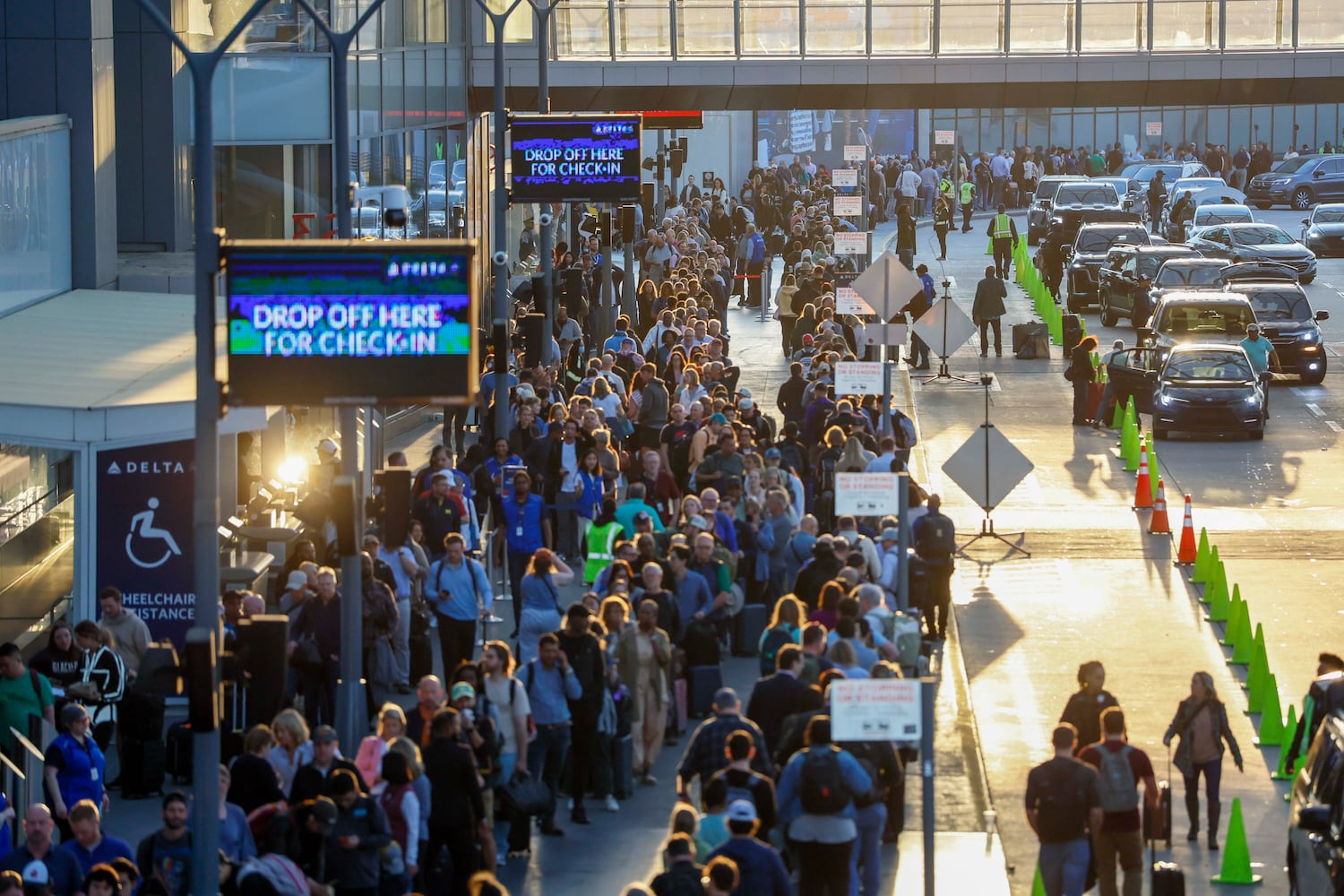
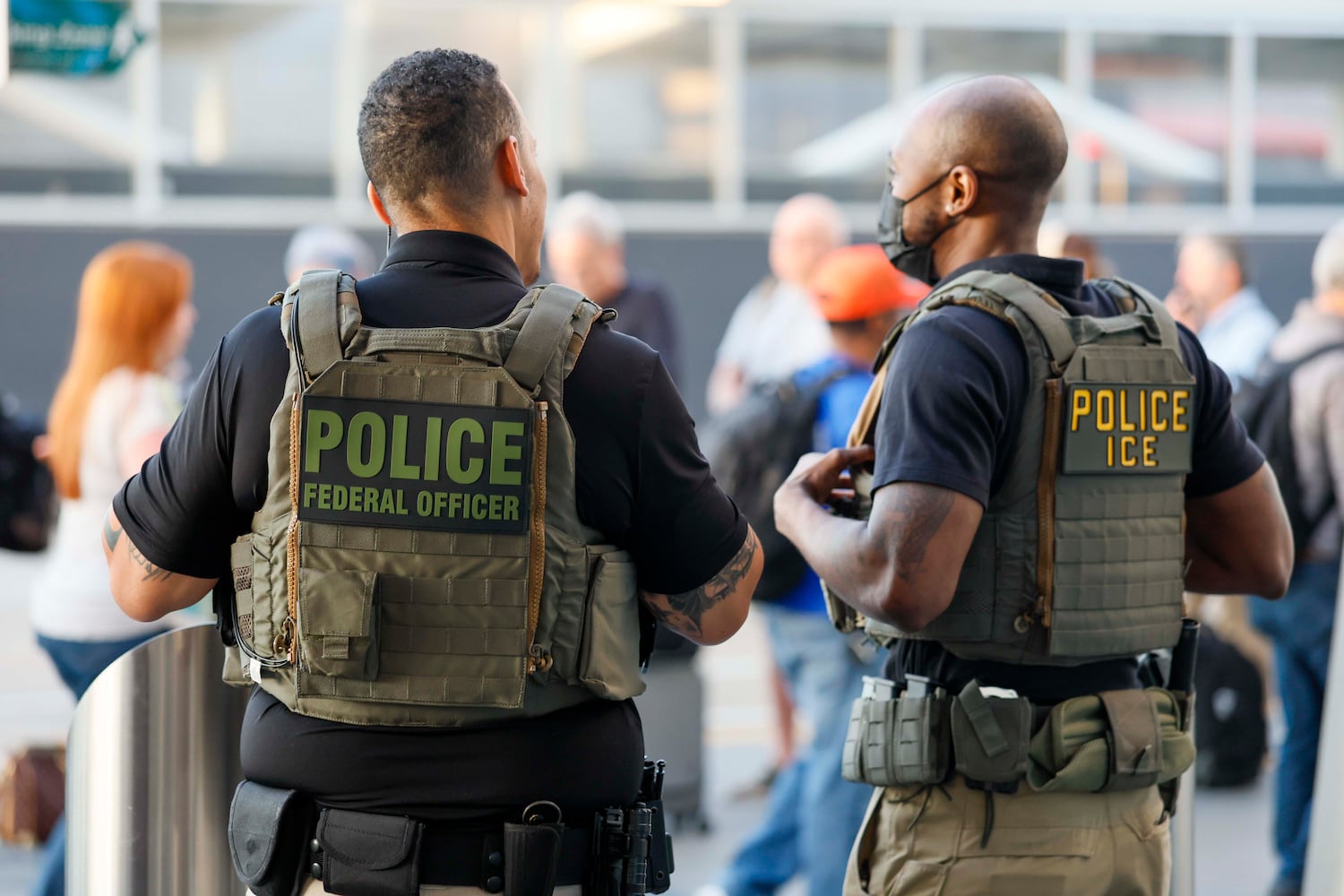
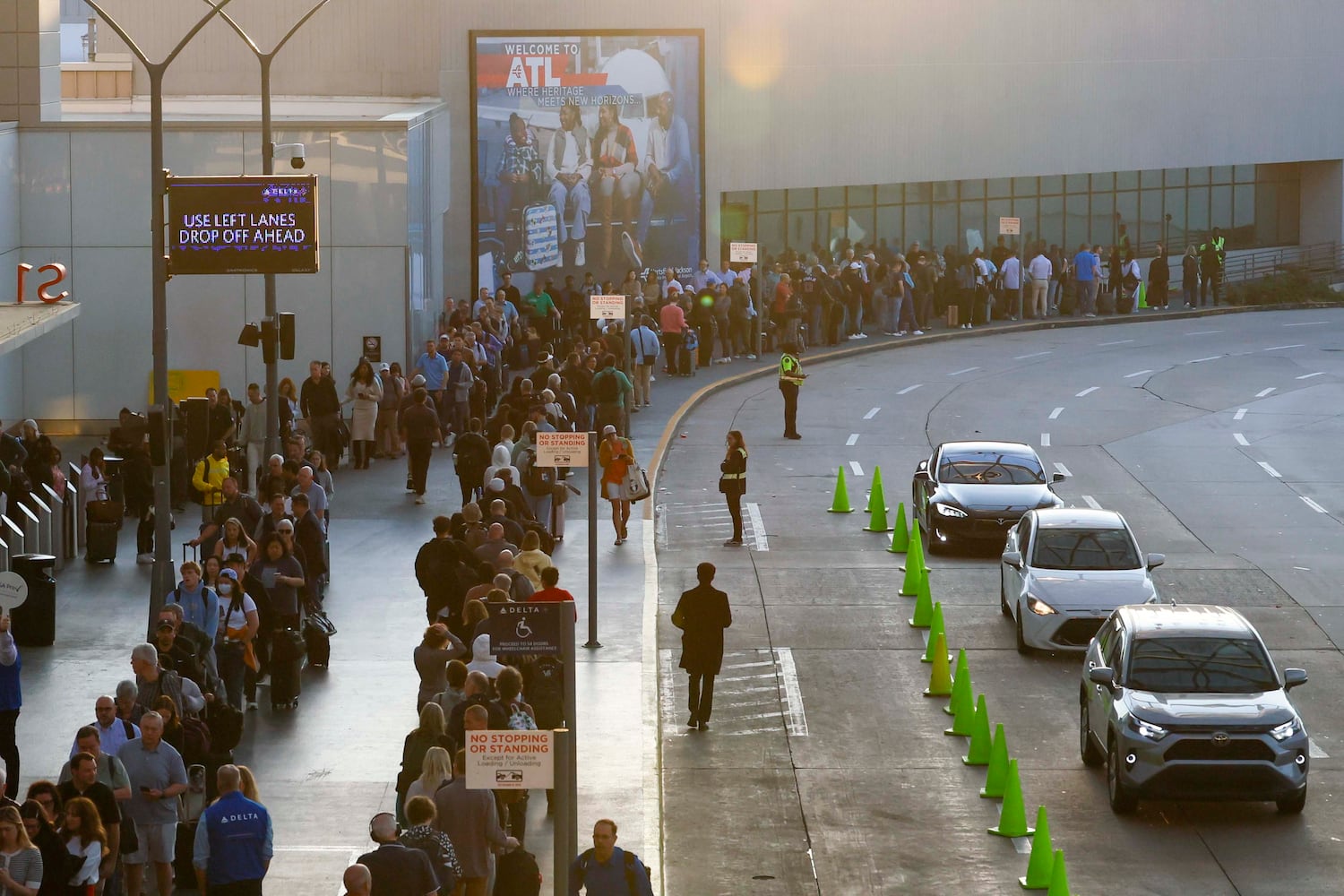
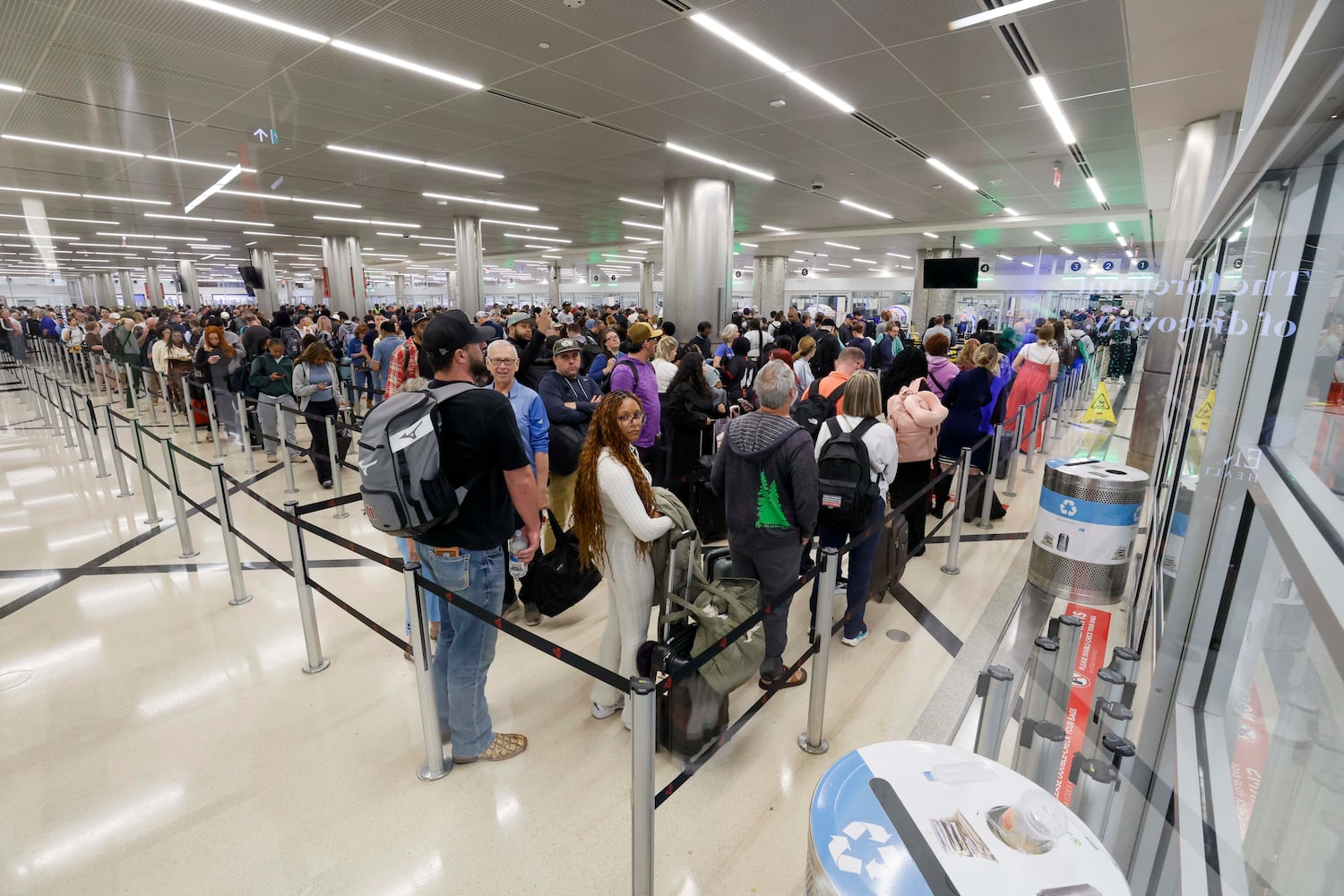
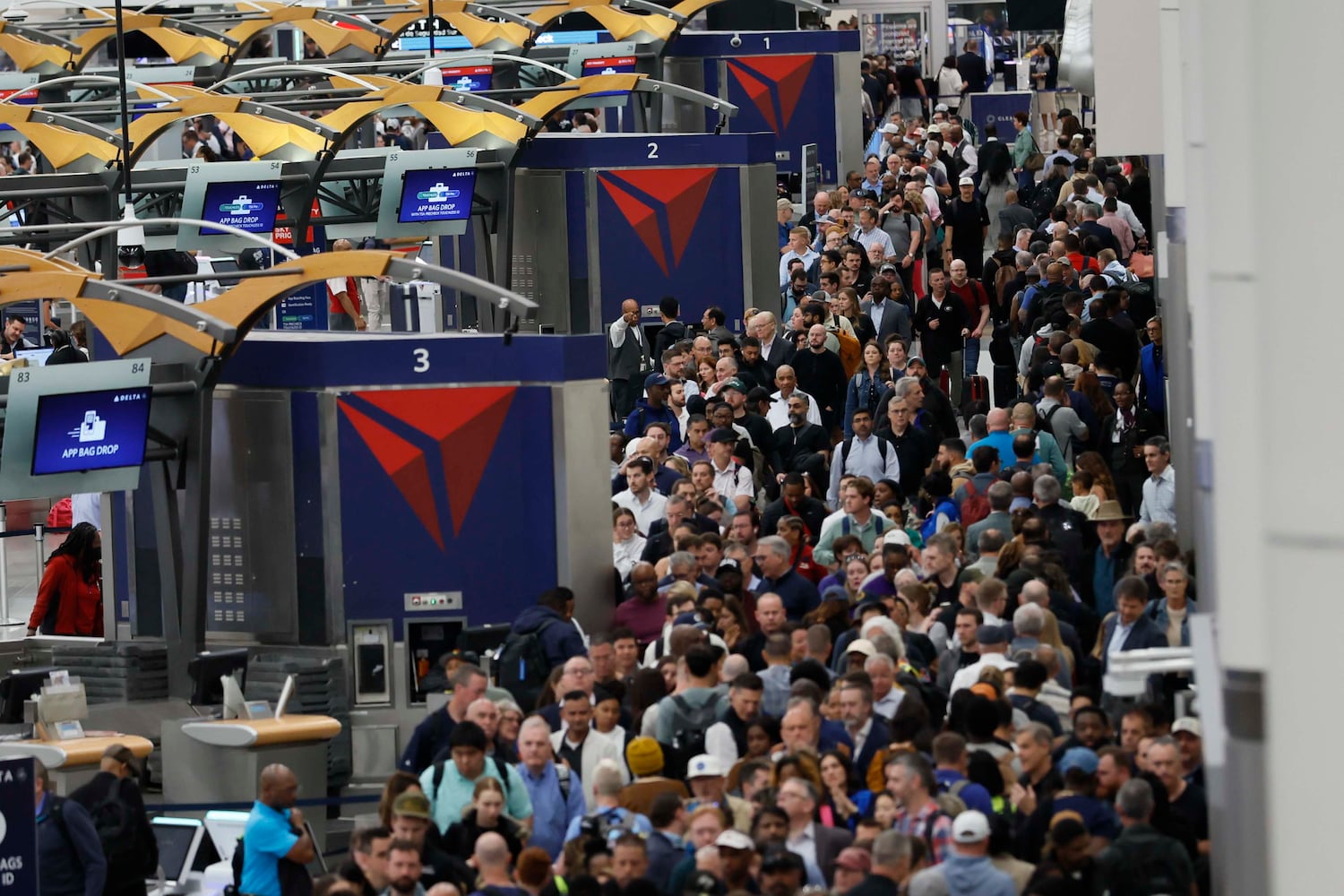
On March 27, a temporary fix was announced to pay TSA workers and ease the security lines that were building at airports across the country — including here at Hartsfield-Jackson Atlanta International Airport.
Today, those lines are moving again at the world’s busiest and most efficient airport. As the president and CEO of the Metro Atlanta Chamber, I can tell you that the business community is relieved. But we are not reassured.
This is clearly a stopgap, not a solution.
We have been here before, and recently. In October, the federal government shut down for 43 days — the longest stoppage in modern history.
Today, we remain in a partial shutdown that started in February. As of this writing, it has lasted more than 50 days, surpassing the record to become the longest shutdown in American history.
In total, the U.S. federal government has been under a partial or full shutdown for nearly 100 days since October. That is not a streak of bad luck. That is a pattern, and in the business world, patterns have consequences.
Businesses worldwide are watching

Credit: Metro Atlanta Chamber
Credit: Metro Atlanta Chamber
Washington has been signaling a deal for weeks, and yet here we are, with Congress in recess and the shutdown unresolved.
We hope a resolution comes soon. But even when it does, we should not mistake the end of this particular episode for the end of the problem.
Disruptions at Hartsfield-Jackson do not stay local. With 108 million passengers, more than 220 nonstop destinations, and a $66 billion annual economic impact, ATL is not just Atlanta’s airport — it is a critical node in the national economy.
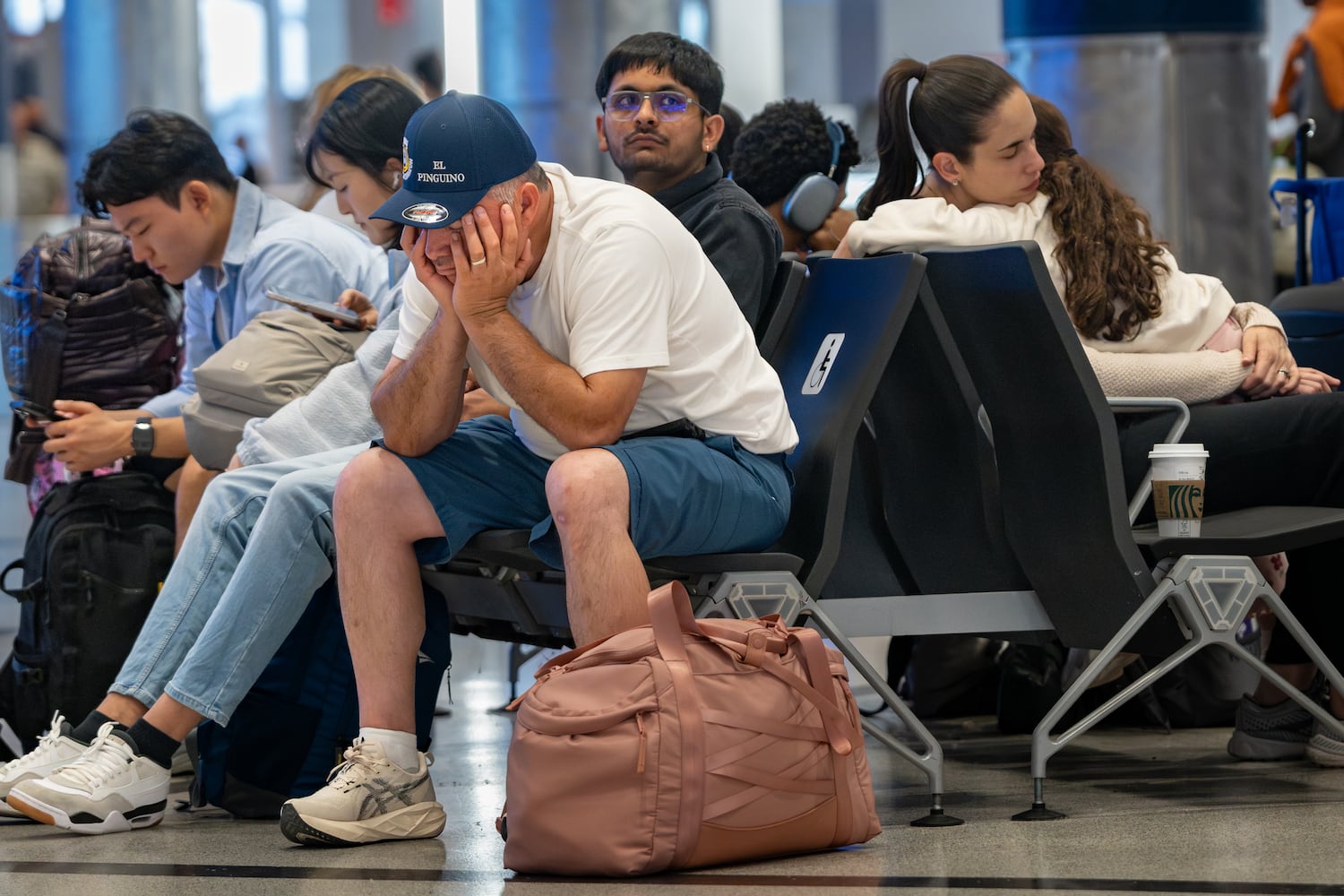
When security lines back up, when TSA workers miss paychecks, when travelers and businesses face uncertainty about whether the airport will function normally, the ripple effects are felt far beyond Georgia.
Businesses around the world are watching. They are quietly making decisions — about where to locate, where to route cargo, where to invest or expand — that protect them from the risk of disruption. Every time we go through one of these cycles, we erode a little more of the confidence that took decades to build.
TSA workers should not have to choose between showing up to work and selling plasma to pay their rent. Travelers should not have to wonder if they will wait in a 10-minute security line or a four-hour one. And Georgia’s businesses should not have to build government shutdown risk into their operating plans.
Pass a bill protecting TSA workers’ pay






The immediate fix this time came not through legislation but through the repurposing of existing funds — an extraordinary workaround that should not be normalized.
But there is a straightforward fix available to Congress: Pass legislation that permanently protects TSA workers from losing their paychecks during government shutdowns.
This is not a partisan ask. It is a basic recognition that critical infrastructure workers should not be used as leverage in budget negotiations.
Georgia’s congressional delegation has shown it can work across the aisle when the stakes are high enough, as it did to secure the Savannah Harbor deepening and expansion projects and to protect the state’s military installations from closure.
Metro Atlanta’s business community calls on them to bring that same resolve to this moment.
We hope leaders in Washington end today’s shutdown. But that is not enough. Congress must also ensure TSA workers are never again asked to work without a paycheck.
Katie Kirkpatrick is president and CEO of the Metro Atlanta Chamber.
To contact your member of Congress, go to https://www.congress.gov/contact-us.
About the Author
Keep Reading

The Latest

Featured
