

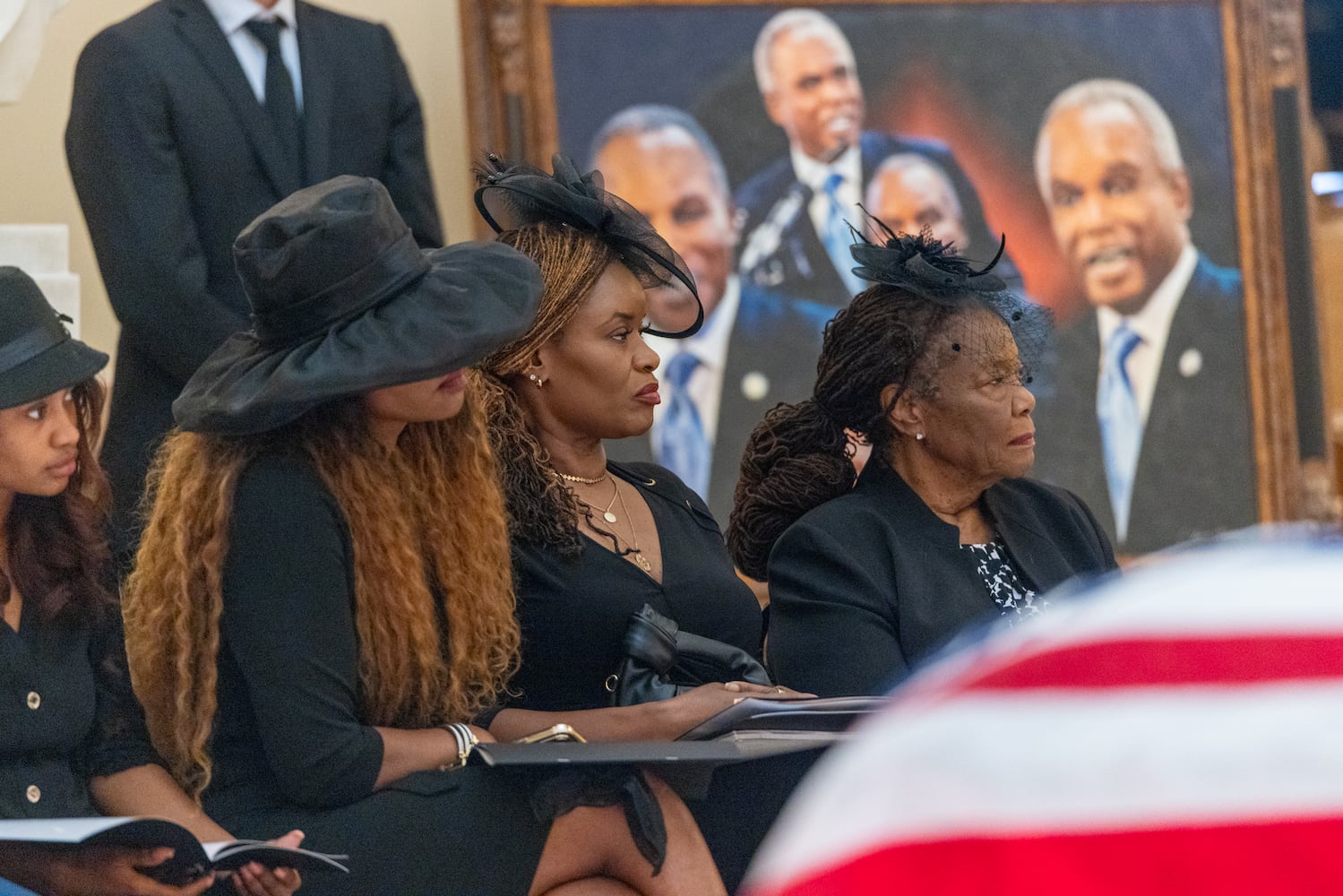

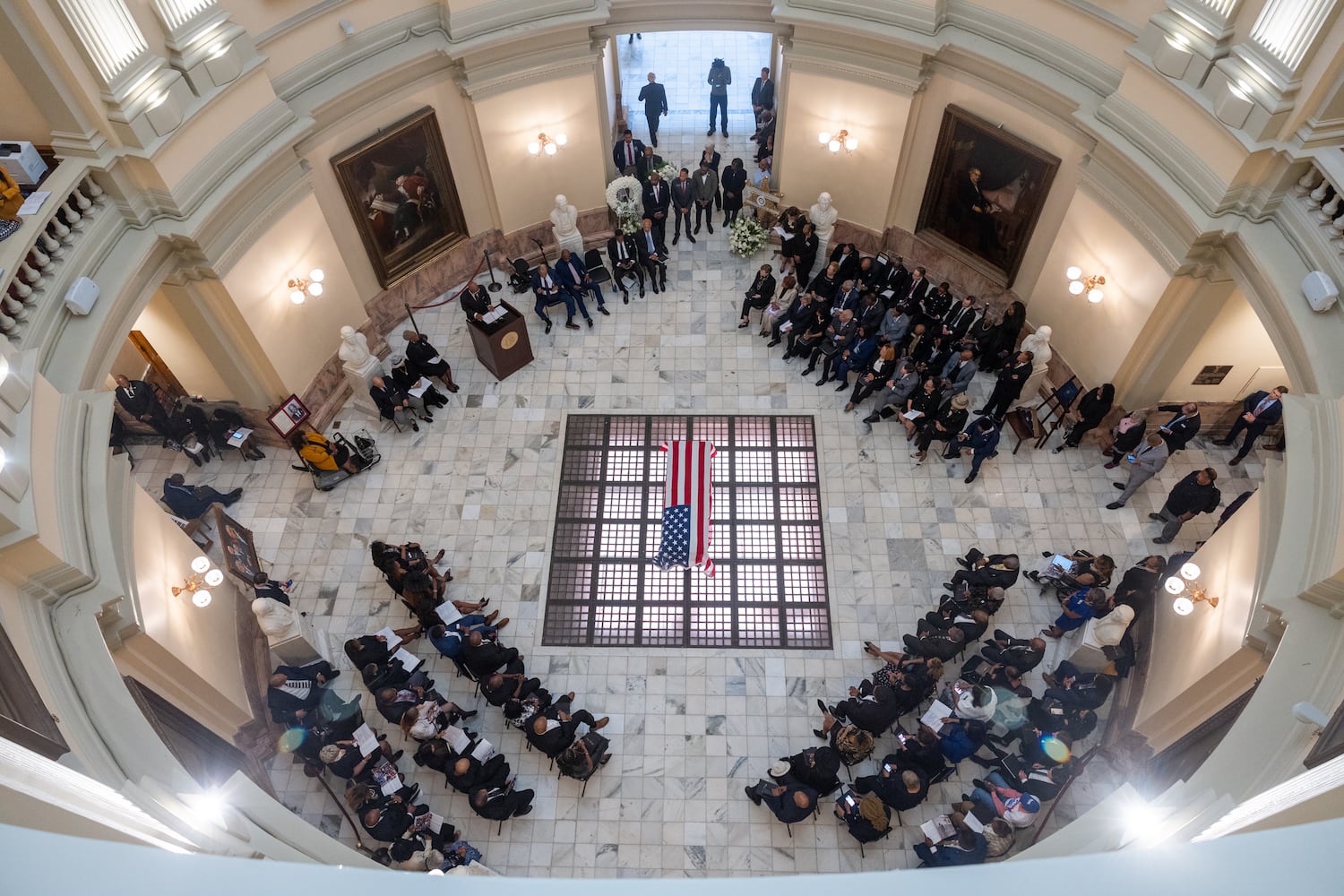
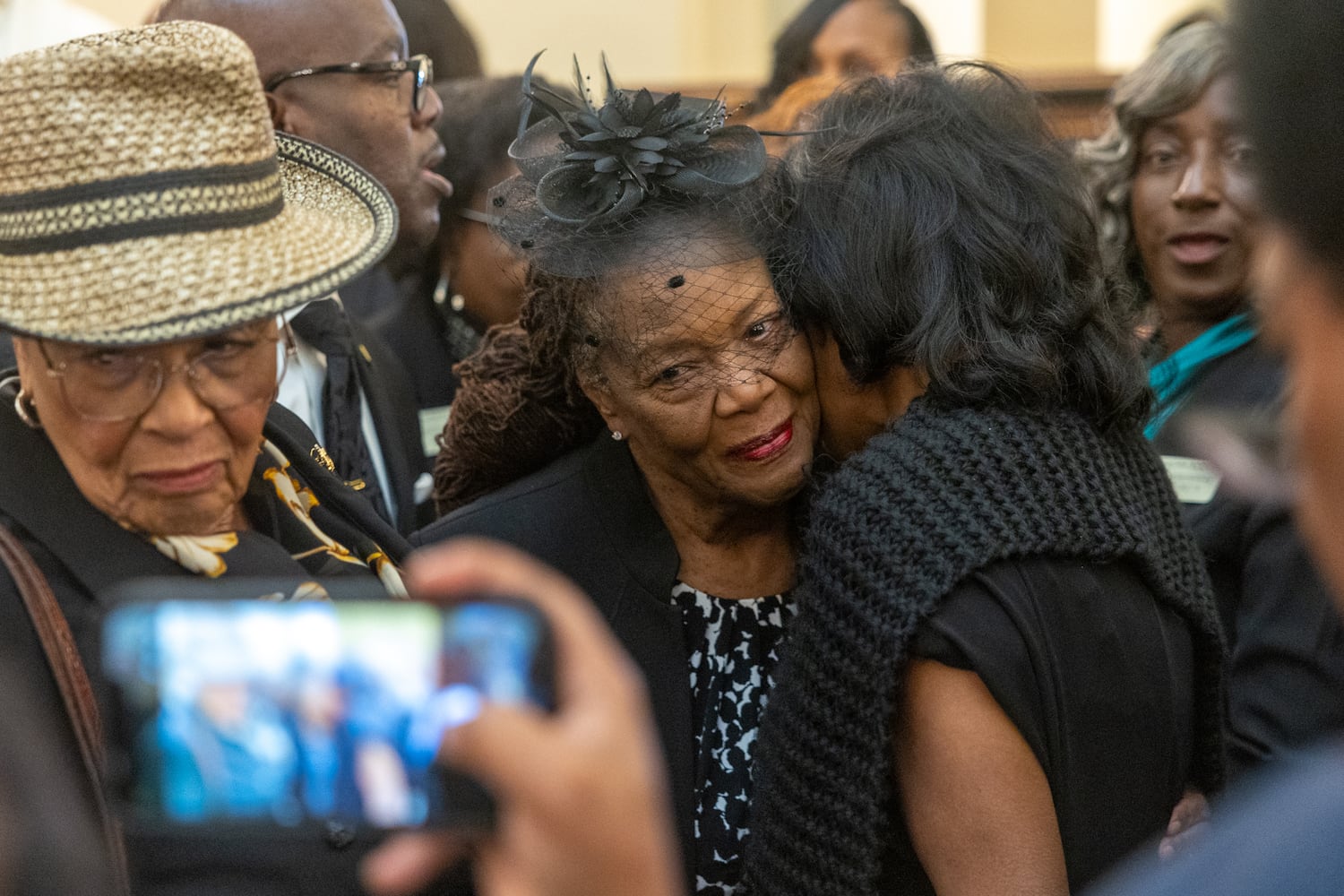
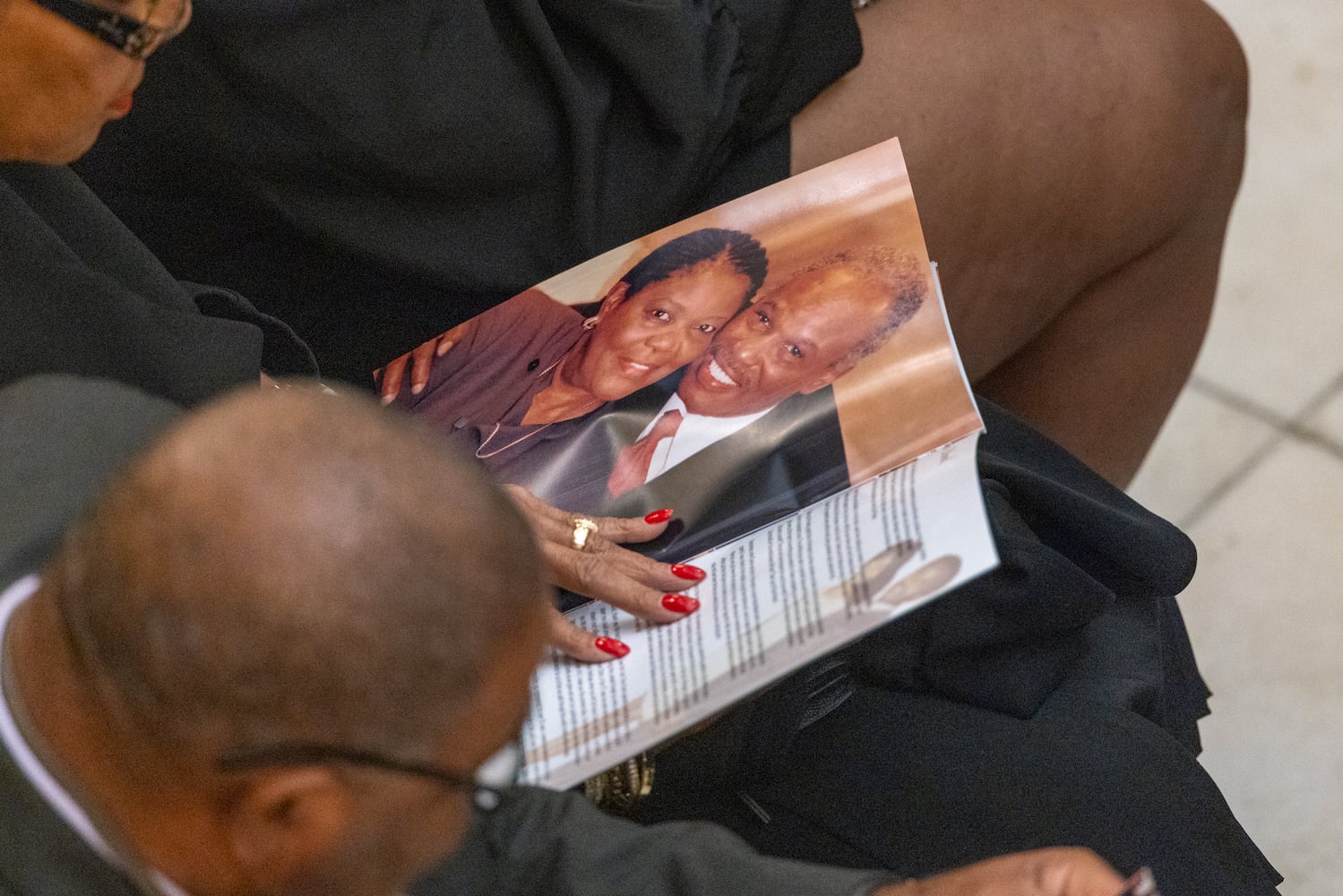

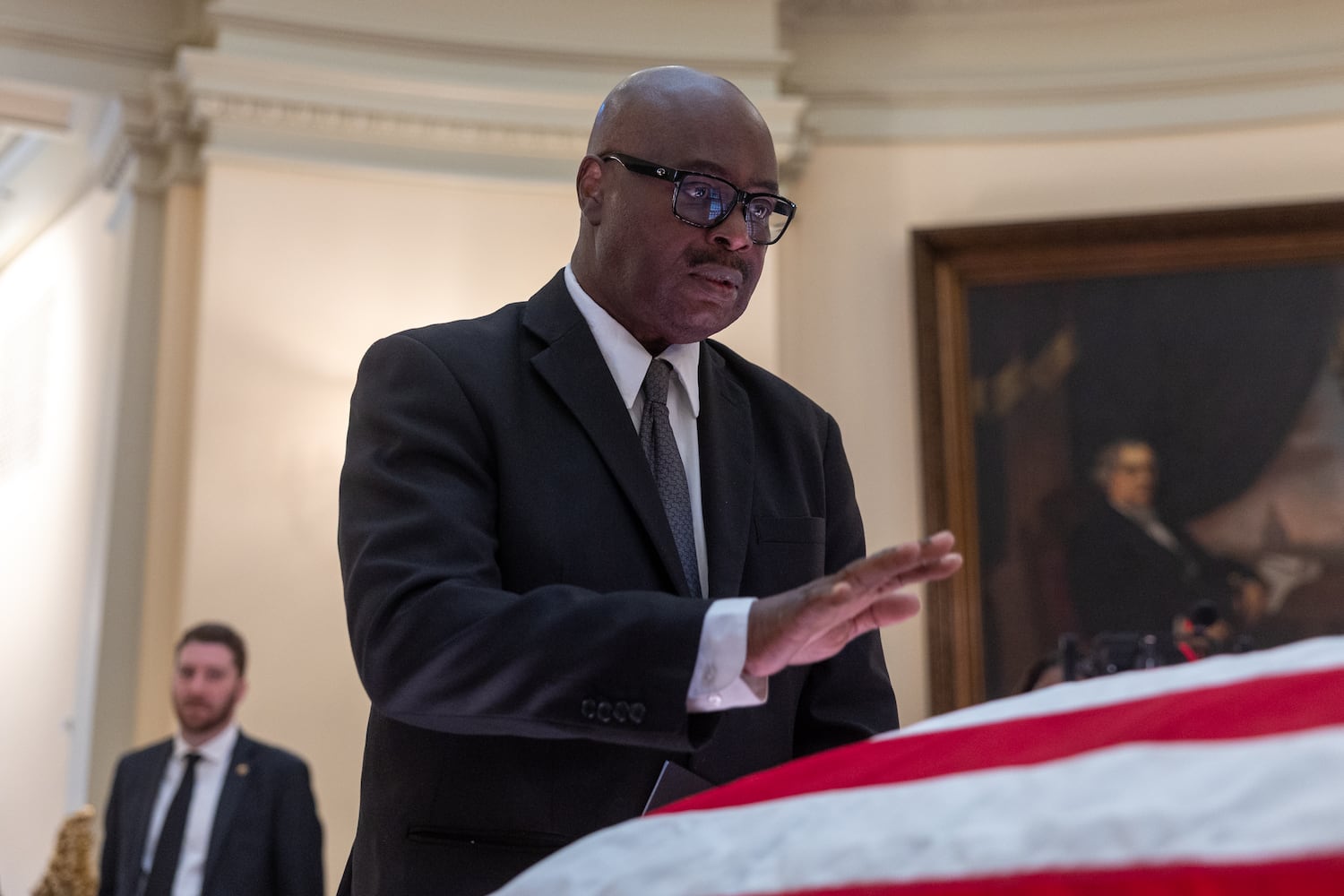

Gov. Brian Kemp has set July 28 for a special election to fill the remainder of the late U.S. Rep. David Scott’s term, launching a compressed contest for one of Georgia’s safest Democratic seats.
Scott’s death last week at 80 created a vacancy in Georgia’s 13th Congressional District, which stretches across much of Atlanta’s eastern suburbs.
The winner of the special election will serve the rest of Scott’s unexpired term, while a separate election schedule continues with a May 19 primary for the full two-year term that begins next year.
The timing of the special election itself was the more politically sensitive question, since Democrats had warned Kemp against delaying a vote in a deep-blue district at a moment when every seat matters in the closely divided U.S. House.
The vacancy slightly widens Republicans’ already narrow margin in the U.S. House until Scott’s seat is filled. That gave the timing of Kemp’s decision national significance.

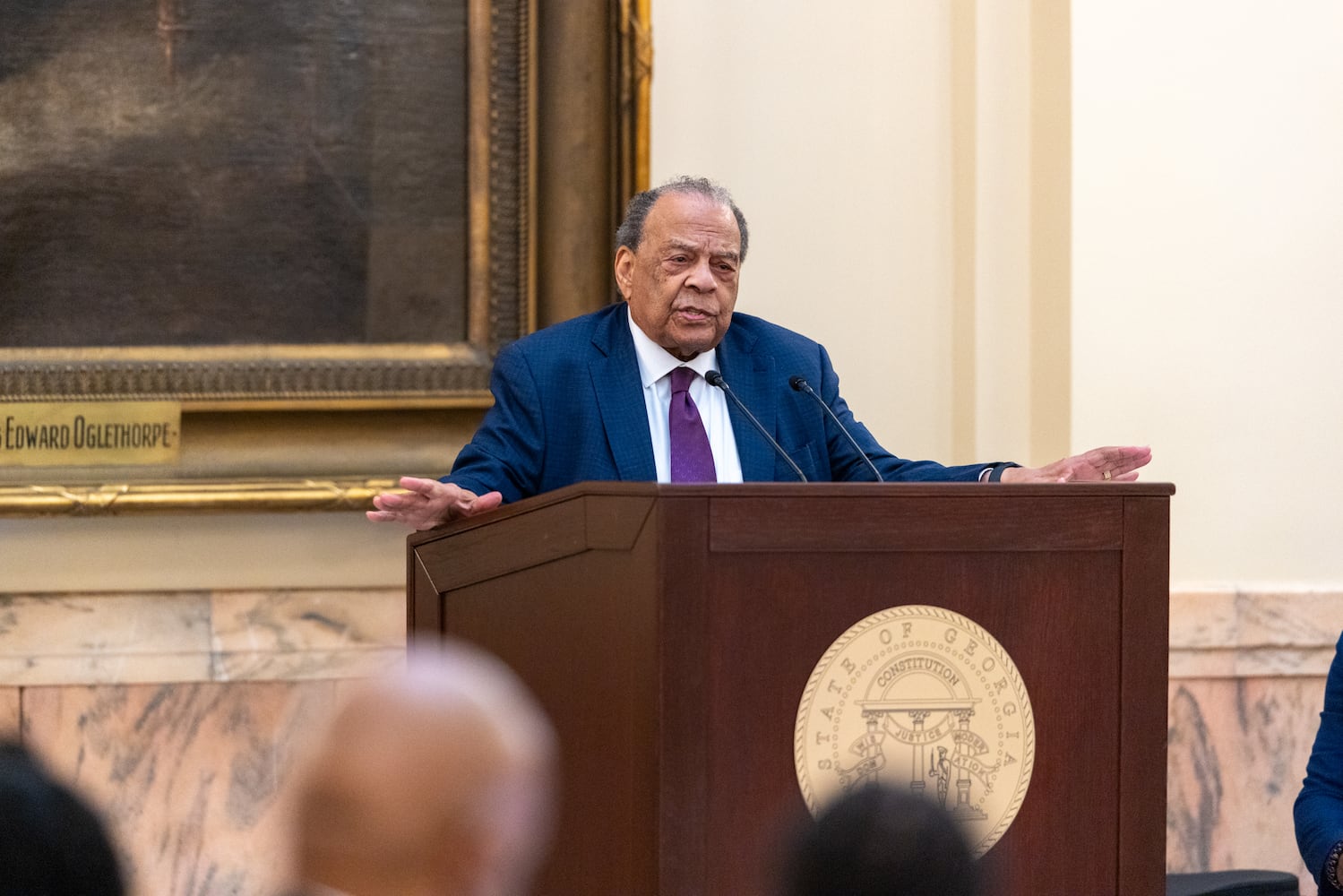
Credit: Arvin Temkar/AJC
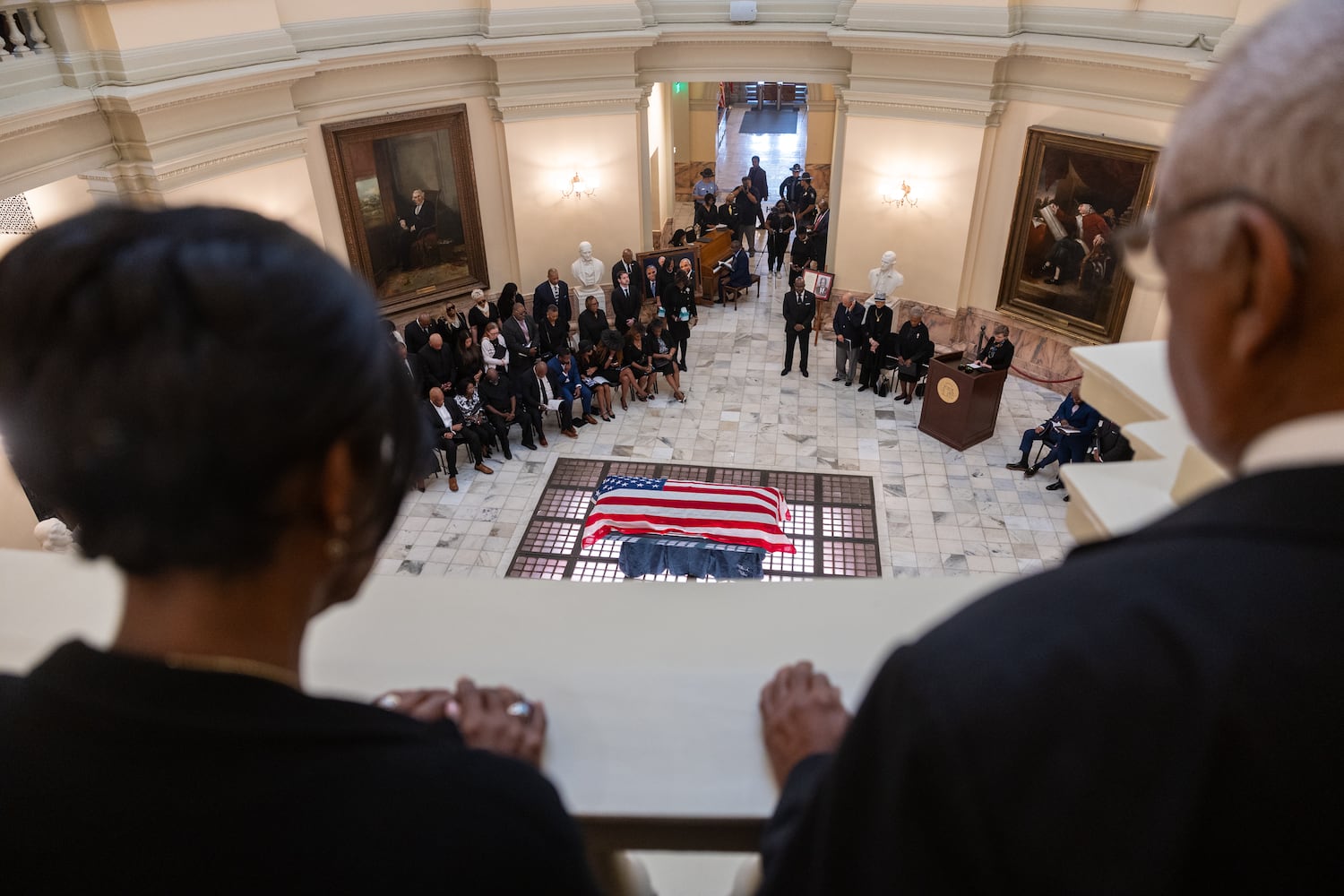
Credit: Arvin Temkar/AJC
Democratic Party of Georgia Chair Charlie Bailey had urged Kemp to move quickly, saying voters in the district deserve representation in Washington. But he also acknowledged Republicans had an incentive to delay the election as long as possible.
“I wasn’t born yesterday. And I would imagine the orders from D.C. are: Sit on it,” Bailey said. “But I would hope that Gov. Kemp remembers that he’s not the governor for Donald Trump. He’s not the governor for (House Speaker) Mike Johnson.”
Candidates will have to negotiate two parallel tracks: A special election to fill the rest of Scott’s current term, and the regularly scheduled election to decide who serves a full two-year term beginning next year.
Scott will still appear on the May 19 ballot because it is too late to remove his name. Election officials are expected to place signs at polling locations informing voters of his death and that votes cast for Scott will not count.

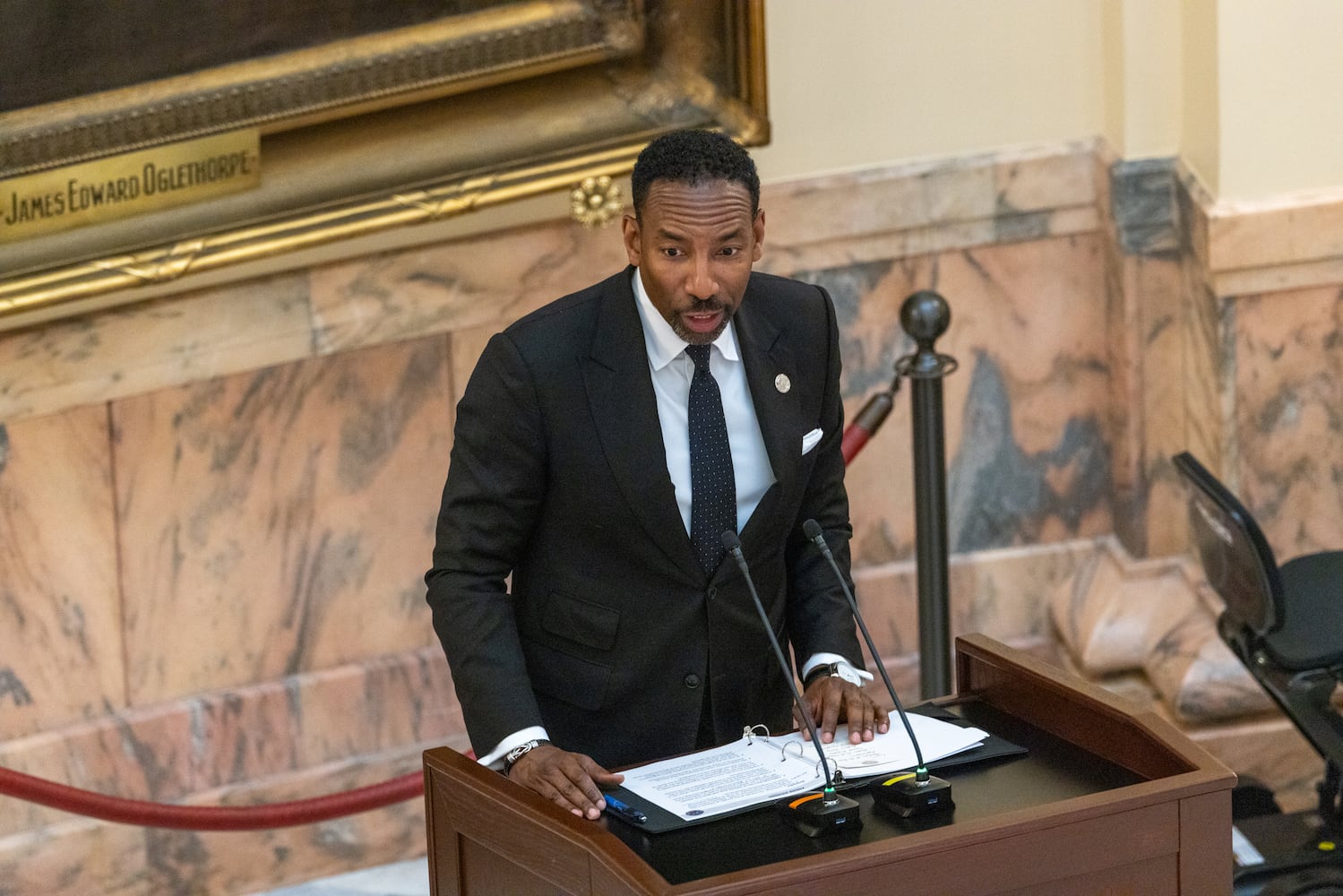
Credit: Arvin Temkar/AJC
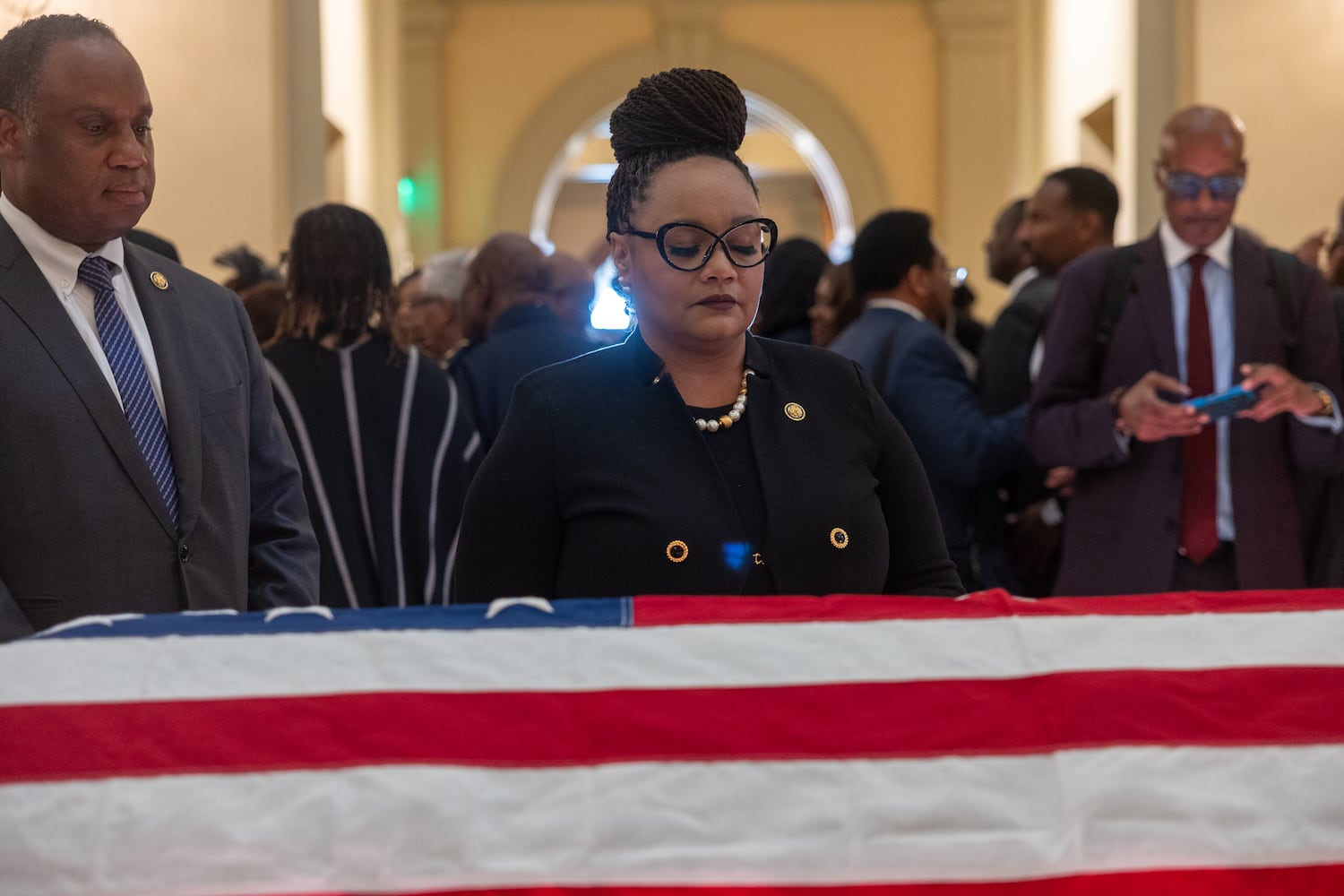
Credit: Arvin Temkar/AJC
Several Democrats who had already been challenging Scott, including former Gwinnett school board chair Everton Blair, state Rep. Jasmine Clark and state Sen. Emanuel Jones, must decide whether to compete in the special election along with the regular election.
Blair said Friday he would compete in the special election, adding he aimed to honor Scott’s legacy “with a new generation of leadership that is prepared to fight for working people.”
Meanwhile, Scott’s daughter Marcye Scott said she plans to run for her father’s unexpired term.
“I would love to be able to fill in the gaps for him,” she said. “I’ve got the experience — I can tell you that I know everything about the 13th District, just like him.”
She added: “I think my father would come back to life and kick my butt if I didn’t.”

Credit: Arvin Temkar/AJC
Credit: Arvin Temkar/AJC
Scott spent nearly five decades in elected office, rising from the Georgia Legislature to the U.S. House, where he became the first Black lawmaker to chair the House Agriculture Committee.
The special election adds a fifth open U.S. House contest to Georgia’s rapidly shifting political landscape.
But unlike the Republican-held seats already in flux, Scott’s district was drawn to favor Democrats and is expected to become a fight over who can best confront Trump and his GOP allies.
Four GOP-held seats are open races this year. U.S. Reps. Buddy Carter and Mike Collins are running for the U.S. Senate, while U.S. Rep. Barry Loudermilk is not seeking reelection. U.S. Rep. Clay Fuller recently won a special election to fill the remainder of Marjorie Taylor Greene’s term.
About the Author




Keep Reading

The Latest

Featured
