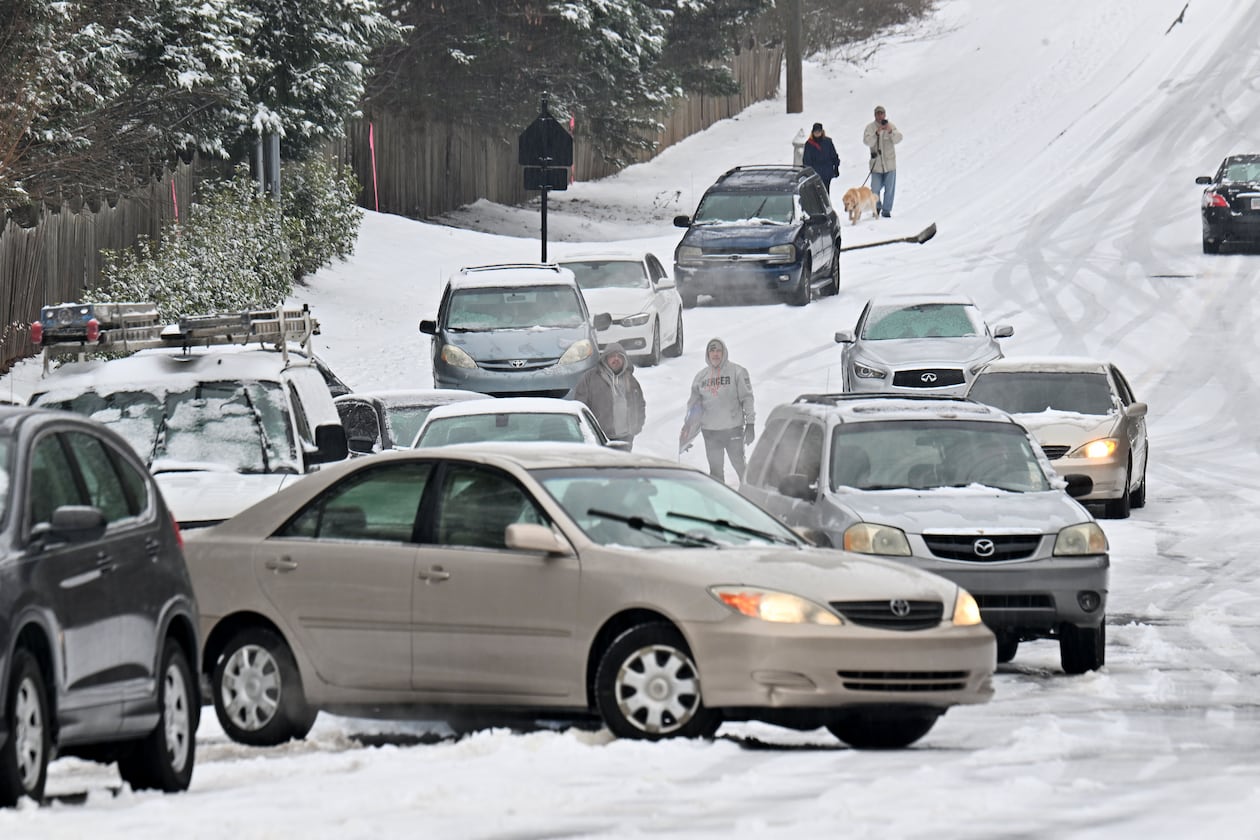
With ice and the possibility of snow expected for many Georgians, households may face days without power.
Even a few hours without electricity can turn ordinary meals into a potential health hazard, making planning and preparations essential to keep both food — and families — safe.
Here are tips to prepare for emergencies during and after power outages.
Freeze your food in preparation
When you know a storm or natural disaster is expected in your area, a quick precaution is to move food from the refrigerator to the freezer.
According to the Centers for Disease Control and Prevention, food is safe in the fridge as long as it is at 40 degrees or below. Keeping food in a freezer at 0 degrees can help to buy time in the case of an outage, even after the power has gone out.
Keep refrigerator doors closed
If your home experiences a power outage, avoid opening your refrigerator doors. Every time the doors open, cold air escapes and warm air enters, raising the temperatures inside. Even a brief opening can reduce the amount of time your food stays cold.
According to the CDC, food will stay safe up to four hours in a refrigerator and 48 hours in a full freezer. If the power has been out for four hours, place perishable foods in a cooler with ice or frozen gel packs.
Get appliance thermometers
Even after freezing your food, the CDC recommends keeping appliance thermometers in your fridge and freezer to monitor temperatures over time.
There are ways to maintain safe temperatures if a power outage last longer than expected. The CDC recommends using frozen gel packs, coolers and even dry ice.
Plan meals
If you’re experiencing a power outage, it’s important to prioritize eating perishable foods that are still cold and safe.
Before opening the fridge doors, plan out what items you’ll need for that meal — and quickly grab them to keep the doors closed as much as possible.
Save the nonperishables for later. Canned foods, bread, peanut butter and other snacks can be eaten once the cold foods are gone or no longer safe to eat.
When in doubt, throw it out
The CDC advises that you should never taste food as a means of testing if it is safe, deploying the phrase, “when in doubt, throw it out.”
Perishable foods such as dairy, meat, fish, eggs and leftovers should be thrown out after four hours or more without power. Any food with unusual smells, textures or colors should be discarded.
Even if food has been cooked, that does not make it safe after a prolonged power outage.
About the Author
Keep Reading

The Latest
Featured